
By Dr. Adeline M. Nembot, Larissa Ntoubia Ngapmen
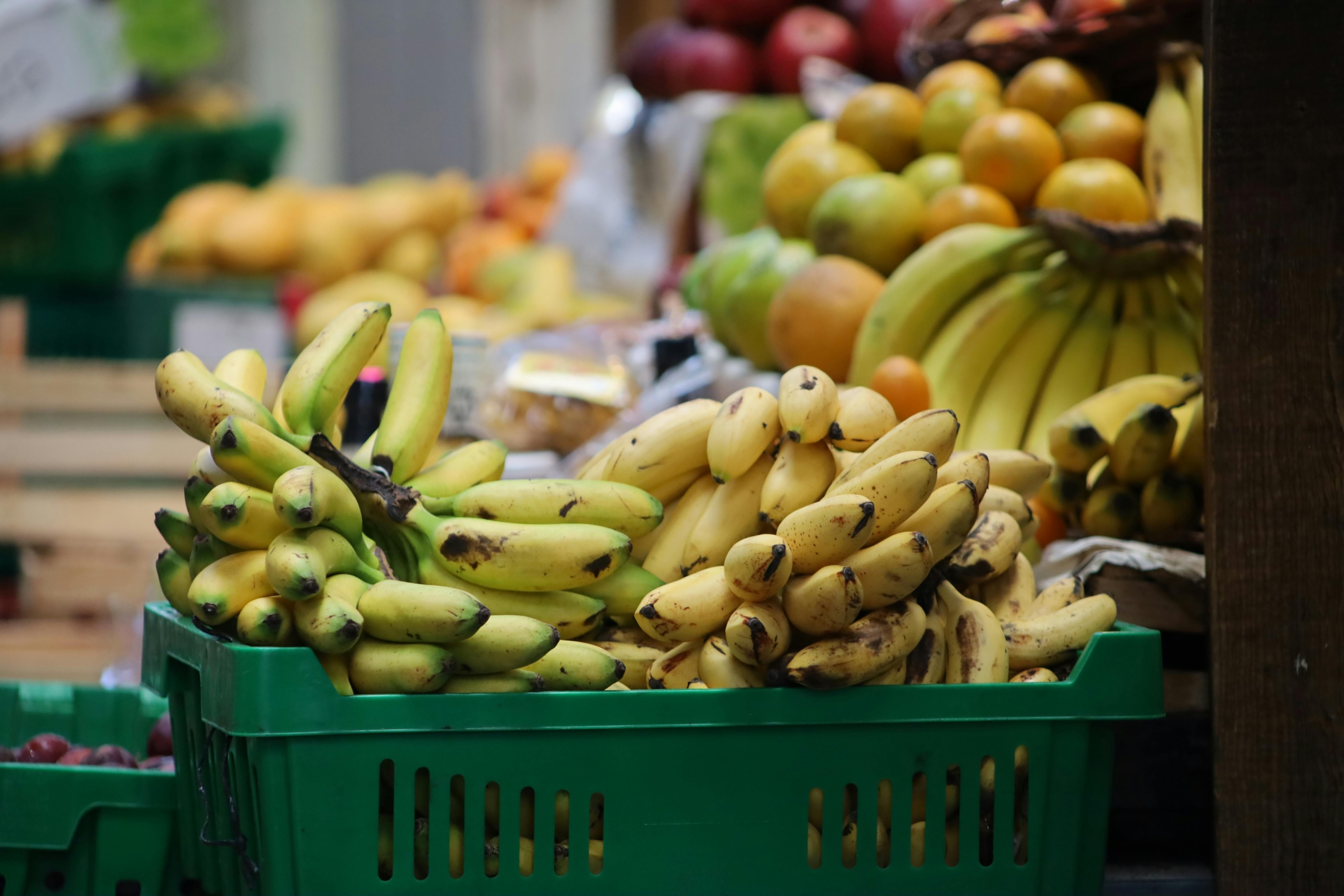
Despite the government’s price-stabilizing efforts, such as putting a ban on cereal’s exportation in 2021, subsidies and tax exemptions in 2023, and promotional sales on widely consumed products, the cost of food in Cameroon has not dropped. In fact, food prices in January 2025 still stood at a 7.90% increase over the same month in the previous year. Mostly driven by food inflation, the overall level of inflation in 2024 still reached 4.5%, above the Central African Economic and Monetary Community (CEMAC) threshold of 3%. As a result, the country is progressively diving into significant food shortage caused by persistent inflation coupled with conflicts, displacing populations, and severe flooding, affecting agricultural production. According to the 2024 Cadre Harmonisé Report, 5,637,855 (20.27%) and around 3 million (11%) people in Cameroon faced moderate and severe food and nutritional insecurity, respectively, between March and October 2024, a 5% increase compared to the same period in 2022.
Moreover, the continued rise in inflation, mainly caused by high food prices and costs of transport, makes it difficult to meet essential food needs, particularly for vulnerable households. A more concerning picture provided by the Nutrient Gap study in 2021 revealed that almost half (48%) of Cameroonian households are unable to afford a nutritious diet (with 7 in 10 households in the North and East regions). In fact, households in regions affected by sociopolitical and security crises like the Northwest, Southwest, East, Adamawa, North, and Far-North regions have experienced an increase in the minimum expenditure to meet the essential food needs because of food inflation between 2022 and 2023.
From the above analysis, food insecurity in Cameroon is a serious problem for policymakers and programs that attempt to accomplish Sustainable Development Goal 2, which aims to eradicate hunger by 2030. Hence, this article demonstrates how inflation coupled with other socio-political and environmental crises in Cameroon aggravates food insecurity in Cameroon. This paper will highlight to national and international authorities, non-governmental organizations promoting the Zero Hunger target, and the public the growing food insecurity challenge caused by the continuous increase in prices and crises. The rest of the article will elaborate on price trends and the government’s efforts, the consequences of the rising prices on food availability, access, and affordability in Cameroon, and finally the conclusion and some policy interventions.
Price Fluctuations in Cameroon: Causes and Government Stabilizing Efforts
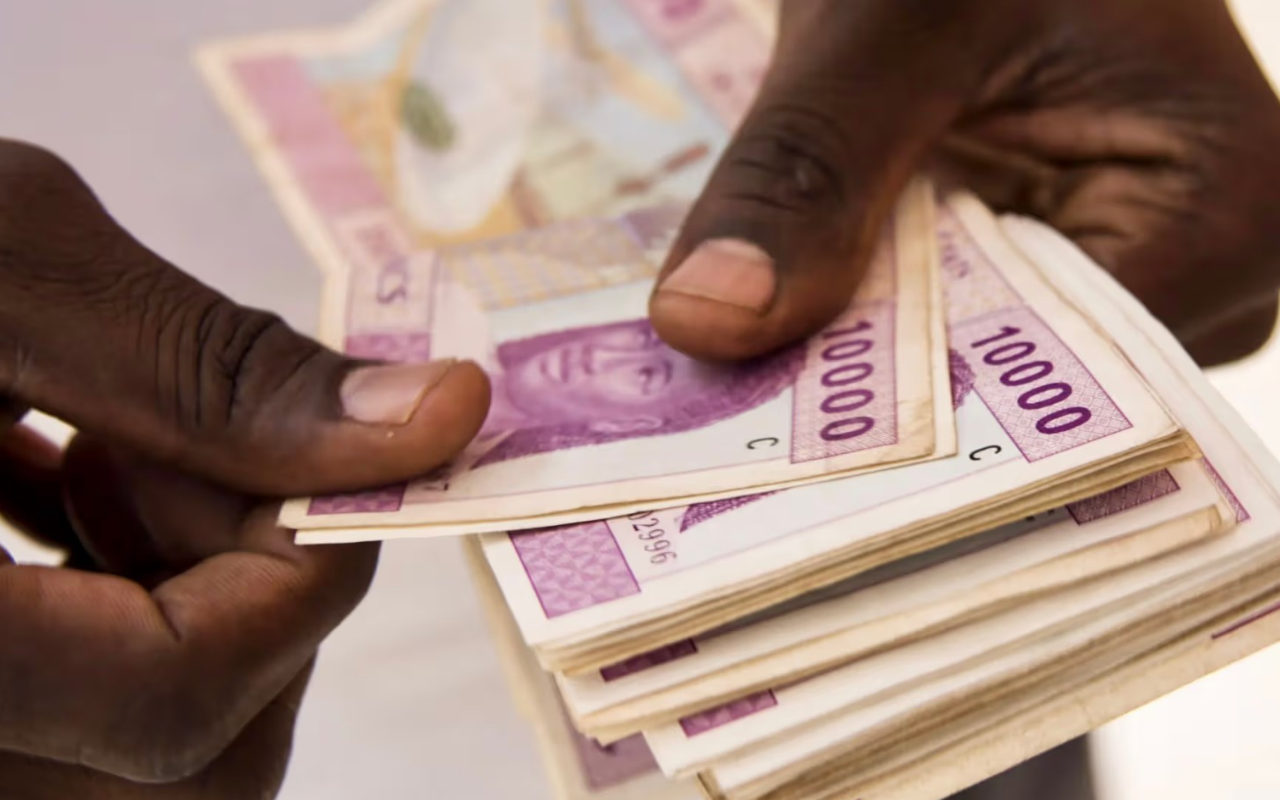
Over recent years, Cameroon has experienced significant fluctuations in food and transportation costs, constituting the major drivers of inflation, since they represent about 44% of total household spendings. This led in November 2022 to a food inflation peaked at 16.4% and 8% for inflation in August 2023, against 2.3% in 2021.
Before the breaking of the COVID-19, inflation was moderate (below 3%) in Cameroon, with the general price levels at 0.6% and 1.1% in 2017 and 2018 respectively. But since 2020, the upward trend in inflation stood above the region’s threshold. In response to curb food inflation, Cameroon government took steps to stabilize prices by setting in March 2019 retail prices for food staples like fish and rice in the markets of Yaoundé and Douala.
Yet post-Covid 19 inflation, especially food price, persists because of a combination of factors such as rising oil prices, global supply chain disruptions, internal conflicts, and climate-related challenges. In fact, over the three-year period of 2022-2024, cumulative inflation amounts to 19.3%, with food prices at 12.9% in 2022, reflecting a period of intense inflationary shock. Soaring food prices and rising transport costs, linked to fuel prices, and the ongoing disruptions to global supply chains being the major factors explaining this exceptional rise. For instance, oils and fats (27.0%), breads and cereals (16.3%), fish and shellfish (14.4%), meats (12.3%), milk, cheese, and eggs (10.7%), and vegetables (7.6%) were the top food price increases.
As from 2024, inflation was mainly of domestic origin, driven by higher prices for locally produced goods and services. Local products rose by 4.7%, compared with a more moderate 4.0% for imported products. This inflationary dynamic is explained by the impact of fluctuations in the prices of raw materials on the international markets, such as oil, cereals, sugar and fertilisers.
Regarding transport costs, the increase in retail fuel prices is the main cause of the inflation in transportation costs. Following the February 2023 and February 2024 rises in fuel prices, the government raised transportation costs each time. As a result, the price of daytime urban transport rose by 20% during the day (and 16.7% in the night time) in February 2023, while interurban and peri-urban transport prices were increased from 14 FCFA to 16 FCFA per kilometre for people aged above 21 from 2023 to 2024. Also, this led to the increase in the price of goods transport which added by 15% as far as transport of goods on the Douala-N’djamena and Douala-Bangui corridors are concerned.
To contain inflation, the government has maintained existing measures while providing tax exemptions on fertilizers, seeds, and agricultural products, a 30% duty cuts on local beverages, and instigated promotional sales. Alongside with the Cameroon government, the Bank of Central African States (BEAC) continues to adopt a cautious stance by maintaining stable its key rates. As a result, it expects inflation in CEMAC to reach the subregion’s threshold by the end of 2025.
Food Insecurity in a Context of Inflationary Pressures and Poly-crisis
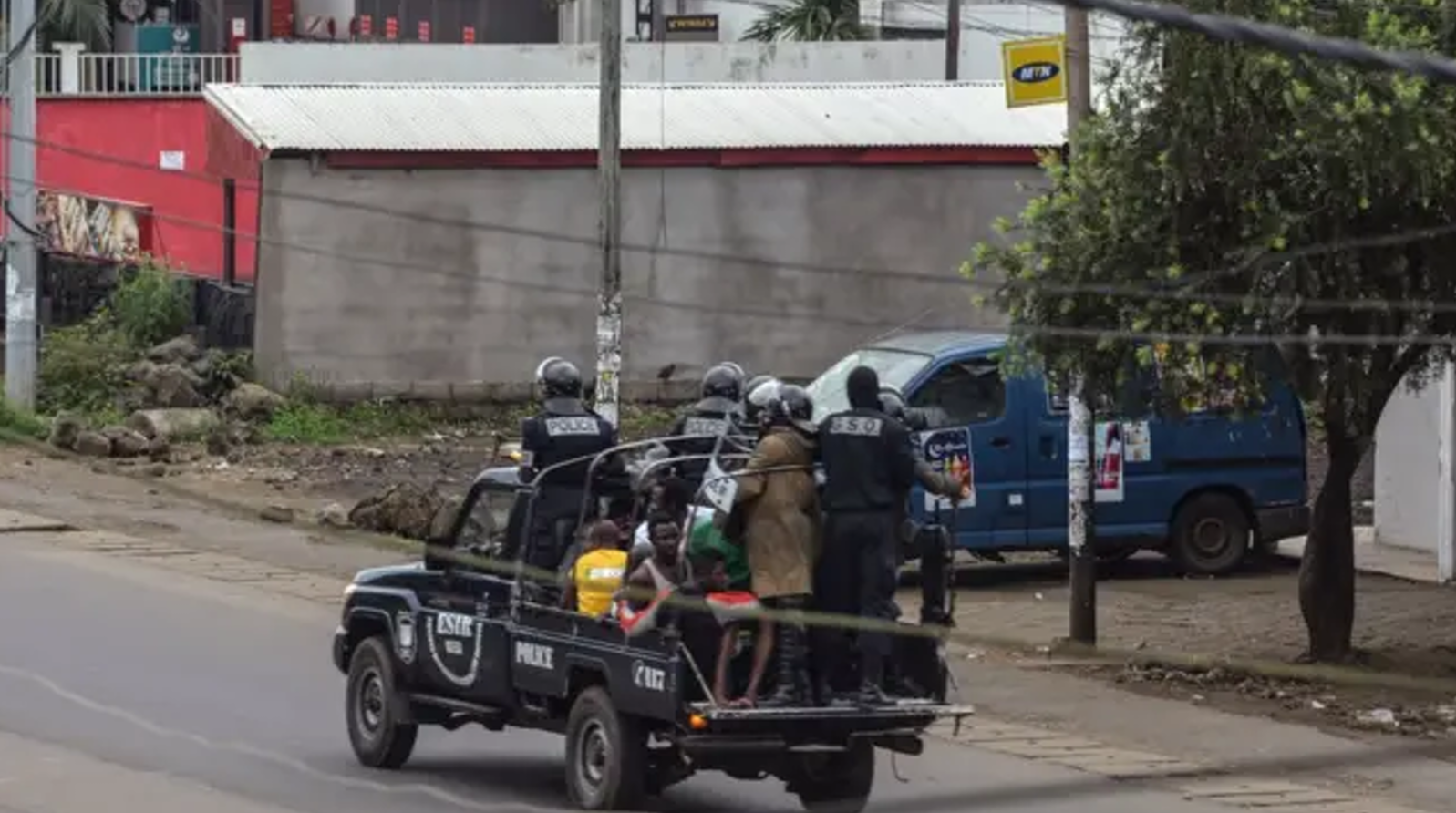
Despite the expectation that the 2023/2024 harvest season would bring relief to the nation thanks to some government’s price stabilization efforts, Cameroon continued to experience persistent food insecurity. Climate shocks such as floods disrupt planting schedules, endangering harvests and raising the possibility of an early lean season. On the other hand, ongoing sociopolitical unrests in the Northwest and Southwest, along with inflationary pressures on food prices brought on by climate shocks and volatility in international markets, all work to weaken household resilience.
As a result, by November 2024, crop production continued to be affected by conflicts and severe climate change effects. Hence, the Food and Agriculture Organization (FAO) in its country brief stated that extreme floods in the Far North Region destroyed over 85% of agricultural land, carried away over 5,278 animals; while conflict and ongoing insecurity in the Far North, Northwest, and Southwest regions have detrimentally impacted agricultural activities by restricting farmers’ access to fields and inputs, unable to work on their crops or harvest. Leading to significant amounts of food waste and spoiling because of lockdowns, where food supplies are purposefully destroyed, marketplaces are set on fire.
As anticipated by Food Security Cluster, this situation will not dramatically improve in the expected time frame of June-August 2025, with 9 departments (4 in the Northwest and Southwest and 5 in the Far North regions) projected to food crisis conditions. Due to all these factors, it makes it extremely difficult to build a utopic food secure Cameroon, worthy of the title: “Bread Basket of Central Africa”
Policy Recommendations
This article shows that while Cameroon has traditionally enjoyed relatively low inflation before 2017, recent years have seen a sharp upward trend in food and transportation prices, threatening the livelihoods and food security of millions of Cameroonians. Analysis revealed that the aggravation of food insecurity in Cameroon is rooted in persistent inflationary pressures, despite government’s efforts, coupled with global disruption in value chains, climate change shocks, and protracted conflicts in the Far North, Northwest, and Southwest regions. These dynamics impedes the country’s progress towards achieving SDG 2 – Zero Hunger target by 2030.
In this context, additional food and transportation price stabilization efforts must consider resolving climate-related shocks and sociopolitical crises. These include:
Increasing investment in climate-smart agriculture, irrigation and early warning systems to prevent climate shocks. This could be achieved through water harvesting systems, use of resilient crop varieties, and farmers’ capacity-building programs.
Expanding social protection and safety nets through food vouchers, cash transfers, and nutrition-sensitive programs for vulnerable households, especially those in zones with high food and political insecurity incidence.
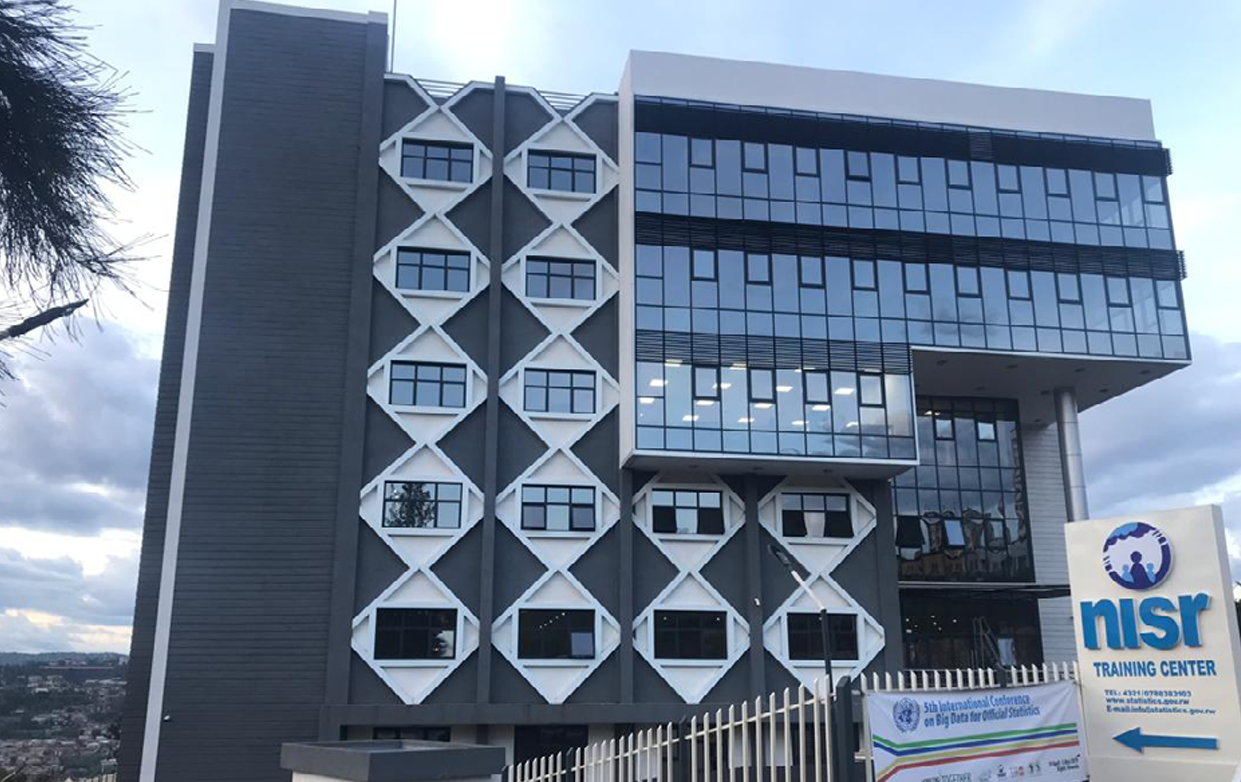
Improving food supply chains by enhancing market access and transportation infrastructure. The Ministry of Public Works reported that by 2023, only 8.39% of roads in Cameroon were paved, reason of the high costs of transportation of goods. Additionally, the National Institute of Statistics (NIS) has stated that making energy easily affordable and available to all Cameroonians, added to improving road infrastructure so that production zones can easily be accessed, will go a long way to, not only cut the inflationary rate, but also help to stabilise the inflationary trend.
Finally, addressing food insecurity in Cameroon must also consider promoting peacebuilding and conflict resolution. This involves gearing towards dialogue and community-based reconciliation, which will foster long-term economic and food security.

Dr. Adeline Nembot
Adeline is a Head of Gender, Women’s Empowerment, and the Care Economy in the Economic Affairs Division at the Nkafu Policy Institute. She holds a PhD in Labour and Development Economics from the Collaborative PhD Program (CPP), obtained under the auspices of the African Economic Research Consortium (AERC),

Larissa Ntoubia
Ntoubia Ngapmen Larissa, holds a Bachelor’s degree in Banking and Finance and a Master’s degree in Economics and Financial Engineering from the University of Yaoundé II Soa. She is currently a Research Associate at the Nkafu Policy Institute of Denis and Lenora Foretia Foundation under the Economic Affairs Division.

Leave A Comment