
By Muriel M. Kinkoh
Executive Summary
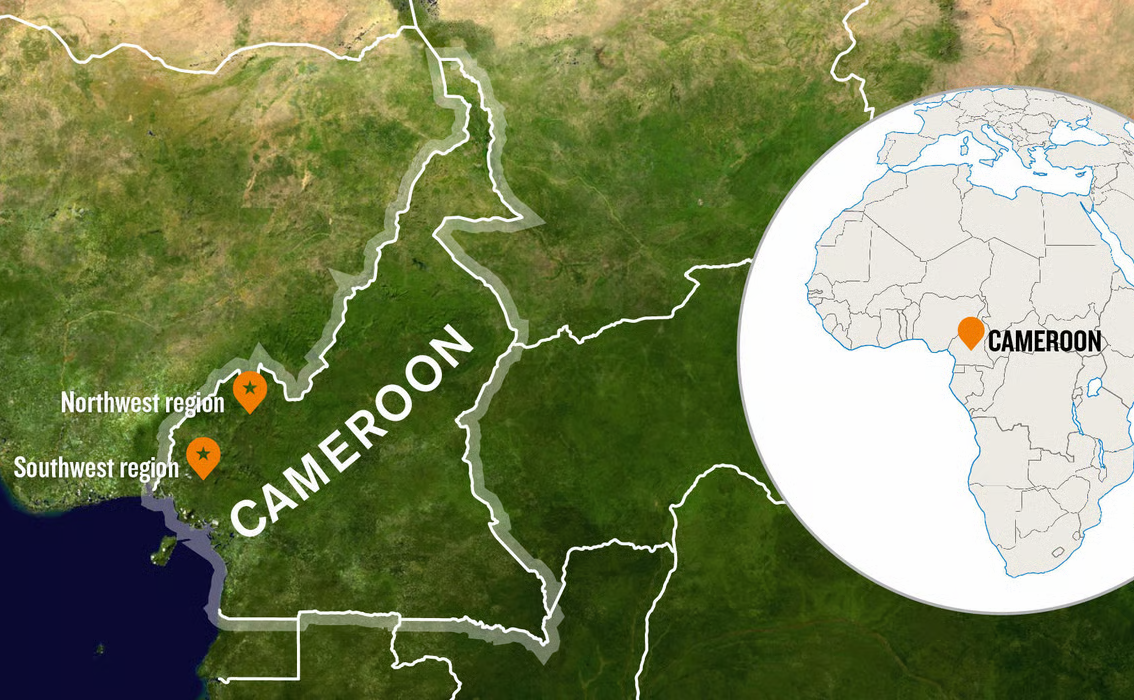
The crisis in the Northwest and Southwest regions of Cameroon is characterized by illicit economic activities, including kidnapping for ransom, informal taxation, drug trafficking, extortion, illicit commerce, and arms trafficking by armed actors, amongst others. These activities have created economic incentives for armed actors and criminal networks to continue their operations. As a result, conflict resolution has become very challenging. This policy brief argues that, While military, political, and peacebuilding interventions remain important, violence persists partly because conflict-related economic incentives continue to sustain armed activity. The brief further argues that unless these economic dynamics are addressed alongside political and security concerns, achieving sustainable peace may remain difficult. The brief proposes policy recommendations including the establishment of a specialized inter-agency task force to identify, monitor, and dismantle kidnapping, extortion, and smuggling networks.
Key messages
- The persistence of violence in the Anglophone regions of Cameroon is driven not only by political grievances, but also by economic incentives that have developed over the conflict
- The conflict has generated economic incentives for certain actors through activities such as kidnapping for ransom, illicit taxation, and smuggling, which may contribute to the persistence of insecurity.
- The longer the conflict persists, the deeper conflict-related economic interests become, increasing the difficulty and cost of achieving peace.
- Effective conflict resolution requires an approach that addresses the legitimate grievances that sparked the crisis while simultaneously dismantling the economic and political incentives that perpetuate violence.
Introduction
The year 2026 marks ten years since the beginning of the Anglophone crisis in Cameroon – a decade characterized by violence, displacement, institutional strain, and unresolved political grievances. Despite military operations, mediation attempts, and growing civilian exhaustion with the violence, the Anglophone crisis continues with no clear end in sight. Explanations for the persistence of the crisis often focus on unresolved governance grievances, political exclusion, identity politics, and state repression. However, these explanations alone do not fully capture the changing dynamics of the conflict. Increasingly, the conflict exhibits characteristics of a war economy in which armed violence generates material benefits for multiple actors. According to Emile Sunjo, Associate Professor at the Department of International Relations and Conflict Resolution, in the University of Buea, Cameroon, the conflict economy is driven by illicit activities by non-state armed groups such as smuggling and selling of illegal petrol from Nigeria, kidnapping for ransom, embezzlement of separatist war funds from the diaspora. While state security forces have also faced repeated allegations of extortion at security checkpoints, and profiting from an excessively large security budget. These dynamics may reduce incentives for conflict resolution and highlight the need for interventions that address not only security concerns but also the economic structures sustaining the violence. This brief aims to analyse how these conflict-related economic incentives contribute to the persistence of violence in Cameroon’s Northwest and Southwest regions and proposes policy responses for sustainable peacebuilding.
The evolution of the conflict from political grievance to a war economy
The roots of the Anglophone armed conflict can be traced back to a complex set of historical, socio-political, and governance-related grievances found in the country’s colonial legacy and post-independence state-building process. By the year 2016, these grievances culminated in protests by Anglophone lawyers, teachers, and students demanding reforms. The government’s repressive response, which involved the arrest of protesters, internet shutdown, and other human rights violations, contributed to the emergence of armed separatist organizations calling for the independence of the self-proclaimed state of Ambazonia.
At its inception, the armed conflict was primarily motivated by political and identity-based grievances and was viewed by many as a legitimate response to decades of perceived state oppression and marginalization. The early phases of the insurgency were sustained in large part by financial contributions from the Cameroonian diaspora, which were used to buy weapons, aid in recruitment, and improve logistics and communication. However, as the war dragged on, its dynamics changed over time. Separatists’ fragmentation into multiple independent armed groups due to lack of a single command structure and personal ambition of local commanders, limited diaspora funding, and the weakening of state power in some parts of the Northwest and Southwest regions created incentives for armed actors to create alternative money streams. Consequently, what started as a politically motivated uprising has increasingly become a war economy. Over time, economic opportunism appears to have become an increasingly important dimension of the conflict.
The surge in kidnapping for ransom remains the most obvious sign that the conflict has turned into a war economy. Abductions, which were first used as a political tactic against alleged state collaborators, now target civilians, entrepreneurs, religious authorities, humanitarian workers, teachers, and students, for ransoms, making it harder to distinguish between insurgency and criminal activity. Additionally, separatist groups have established illegal taxation systems, imposing levies on farmers, traders, transporters, and businesses in areas under their control.
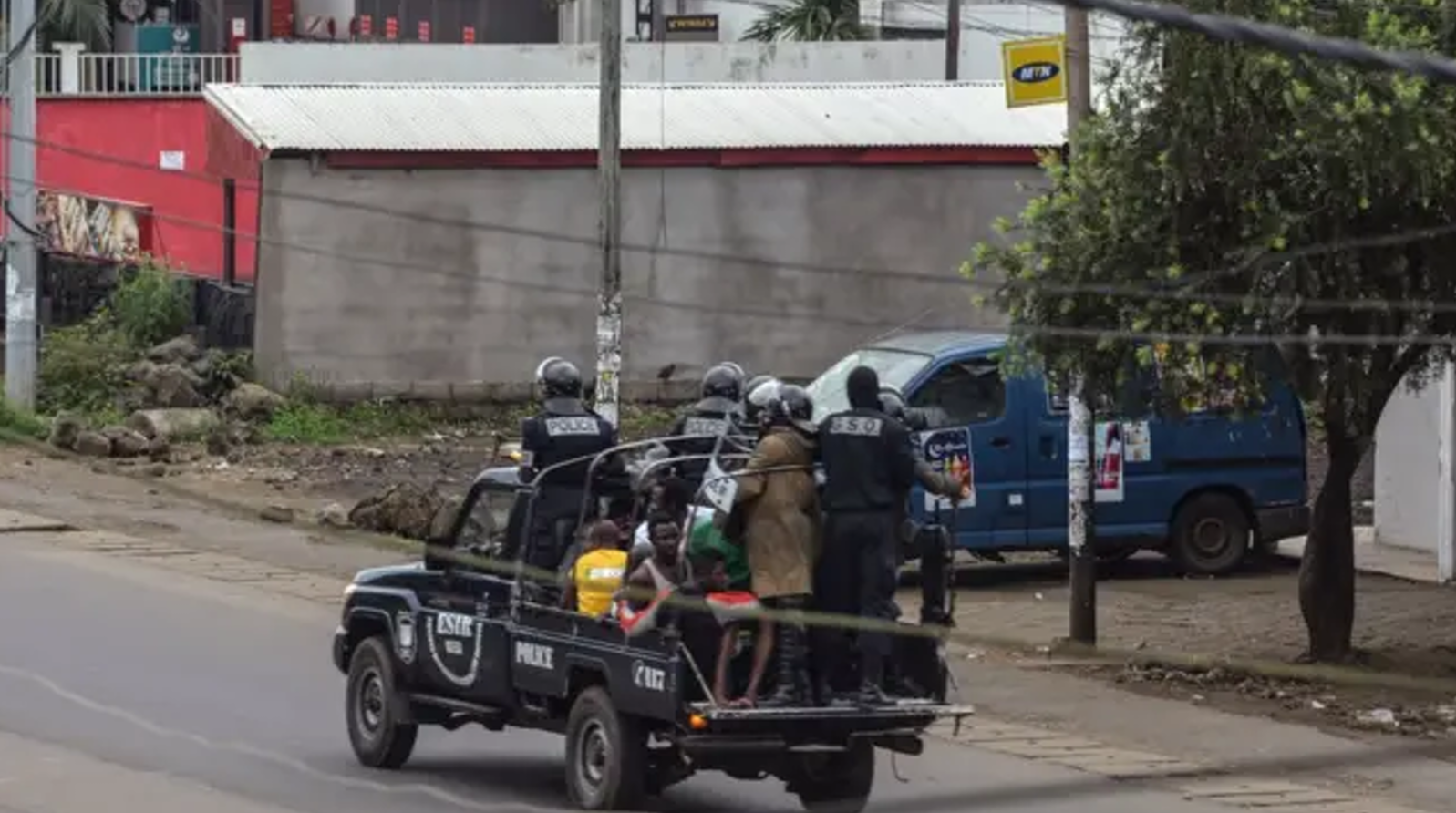
Some analysts and media reports have raised concerns that increased conflict-related spending and weak oversight mechanisms may create opportunities for corruption and rent-seeking. Also, media reports and public commentary have raised concerns that some security checkpoints may also be used for informal revenue collection, highlighting the need for stronger oversight and accountability mechanisms. Moreover, the conflict has fostered the growth of illicit economic activities, particularly along the border between Cameroon and Nigeria. The proliferation of these illicit economic opportunities has created vested interests in the continuation of violence; complicating peace efforts.
Why providing incentives for peace matters
Actors who benefit financially from conflict often become spoilers of peace, particularly when peace jeopardizes their existing sources of income and influence. Disrupting the war economy is important, and requires replacing conflict incentives with incentives for peace. In this context, economic incentives for peace could complement political and security interventions by altering the cost-benefit calculations of conflict actors and creating alternatives to conflict-related livelihoods.
Additionally, strengthening access to employment, vocational training, and sustainable income-generating activities would enhance the effectiveness of the Disarmament, Demobilization, and Reintegration (DDR) program, which continues to face challenges related to limited trust, inadequate reintegration support, persistent insecurity, and limited economic opportunities. When ex-combatants have access to jobs, vocational training, and sustainable economic possibilities, they are more likely to give up violence.
Moreover, widespread insecurity has hampered investment and job creation, while agricultural production, trade, education, and transportation have all been severely disrupted. In these settings formal economic opportunities are hard to get, and one of the few available sources of income is frequently provided by armed groups and this facilitates recruitment of youths and child soldiers into these groups. Incentives for peace are crucial to combating youth recruitment into armed groups. In addition, accelerating the reconstruction of the conflict-affected regions changes incentives, creates jobs, restores economic opportunities, offers alternatives to ex-combatants, and provides visible peace dividends to communities.
Finally, as long as the conflict continues, the war economy is bound to thrive. Several analyses conclude that a negotiated political settlement remains the most viable route to sustainable peace. Therefore, making peace more politically and economically advantageous than ongoing violence for all parties involved is necessary to dismantle the war economy and foster sustainable peace and stability.
Policy pathways towards dismantling the war economy and achieving sustainable stability
- Within 12 months, the government should establish a specialized inter-agency task force to identify, monitor, and dismantle kidnapping, extortion, and smuggling networks.
- The government should develop a dedicated strategy within 12 months to map conflict-financing networks, reduce conflict-related illicit revenues and expand legitimate economic opportunities.
- To lessen rent-seeking incentives related to the conflict, the government should set up an independent oversight mechanism to audit spending related to the conflict, publish regular spending reports, and ensure accountability measures for officials involved in corruption or embezzlement of funds.
- By the year 2028, the government should redesign the DDR program to focus on long-term economic reintegration through vocational training, business grants, and employment placement. The objective should be to improve sustainable livelihood outcomes and expand employment opportunities for program beneficiaries following reintegration.
- The government should implement a regional employment and entrepreneurship program targeting conflict-affected youth, with a focus on expanding job creation and supporting small enterprise development in conflict-affected communities.
- Religious and traditional authorities, civil society, and the media should intensify advocacy and engage development partners to prioritize investments in employment, education, infrastructure, and local governance in conflict-affected communities.
Conclusion
The central challenge in the Northwest and Southwest regions of Cameroon is no longer solely the persistence of armed violence, but the entrenchment of a war economy that rewards instability. While unresolved political grievances remain central to the conflict, the growing entrenchment of a war economy has created additional incentives that may contribute to the persistence of violence. . As a result, there is need for a long-term peace plan to address the economic structures that have developed around the war, in addition to the fundamental issues of marginalization, representation, and governance.

Muriel Mesette Kinkoh
Muriel Kinkoh is Research assistant at the Peace and Security division of the Nkafu Policy Institute. Prior to joining the Foundation, she was administrative and coordination intern at ILIAN Consulting Company Limited; supporting advocacy, peacebuilding and conflict resolution programming.


Leave A Comment