

Introduction
The Vatican has officially announced that Pope Leo will visit Cameroon from April 15–18, 2026, marking the first papal trip to the country since Pope Benedict XVI’s visit in March 2009. Historically, relations between Cameroon and the Holy See have been anchored in shared commitments to peace, education, health, and moral diplomacy. However, unlike 2009, when the country enjoyed relative stability, Pope Leo’s visit takes place at a time of profound internal tension.
Cameroon today faces an array of interlinked crises: the ongoing Anglophone conflict in the Northwest and Southwest regions, continued Boko Haram activity in the Far North, a persistent refugee influx in the East, and governance challenges that have weakened social cohesion nationwide. While many Christians view the visit as a moment of spiritual renewal, others see it as a potential opportunity to foster dialogue and national reconciliation. This commentary examines the implications of the papal visit within the current peace, security, and governance landscape, while assessing the associated risks.
I. Implications for Peace, Security, and Governance
1. A potential catalyst for dialogue in the Anglophone crisis
Since 2016, the Anglophone crisis has been defined by entrenched violence and a predominantly militarized state response. The Pope’s moral authority, combined with the Catholic Church’s long-standing social influence in Cameroon, may help shift national discussions toward dialogue, forgiveness, and non-violent conflict resolution. Papal diplomacy has previously helped de-escalate tensions and rebuild trust among polarized actors in countries where political negotiations had stalled. If leveraged constructively, the visit could create momentum for renewed engagement between state authorities and separatist factions.
2. Reinforcing demands for inclusive governance
Cameroon’s governance system has drawn criticism for limited inclusiveness and insufficient responsiveness to citizen grievances. As an advocate for social justice, the Pope’s message may amplify long-standing calls from civil society, religious leaders, and reform-oriented actors for more transparent, participatory, and accountable governance. His visit could thus invigorate demands for reforms that strengthen state legitimacy and democratic practice.
3. Strengthening the Church’s mediating role
The Catholic Church remains a major provider of education, health care, and humanitarian services in Cameroon. Its moral credibility and grassroots presence give it unique leverage in peacebuilding and civic mobilization. Pope Leo’s visit is likely to further elevate the Church’s role as a trusted mediator, potentially empowering it to facilitate dialogue initiatives, coordinate humanitarian relief, and expand civic education programs on peace and good governance.
4. Promoting national cohesion and social solidarity
In a context marked by regional fragmentation, insecurity, and political distrust, a papal visit has the symbolic potential to unify diverse communities. Such a high-profile event may temporarily transcend linguistic, regional, and political divisions, reinforcing shared national identity and encouraging renewed commitment to coexistence.
II. Potential Risks
1. Risk of political instrumentalization
Given continuing governance deficits and declining public trust, there is a risk that the Cameroonian government may frame the papal visit as a symbolic endorsement of its legitimacy. Presenting the visit as evidence of national stability or international approval could overshadow ongoing political grievances and dampen pressure for meaningful reforms. This form of symbolic diplomacy risks masking structural governance challenges rather than addressing them.
2. Security challenges, especially in the Anglophone regions
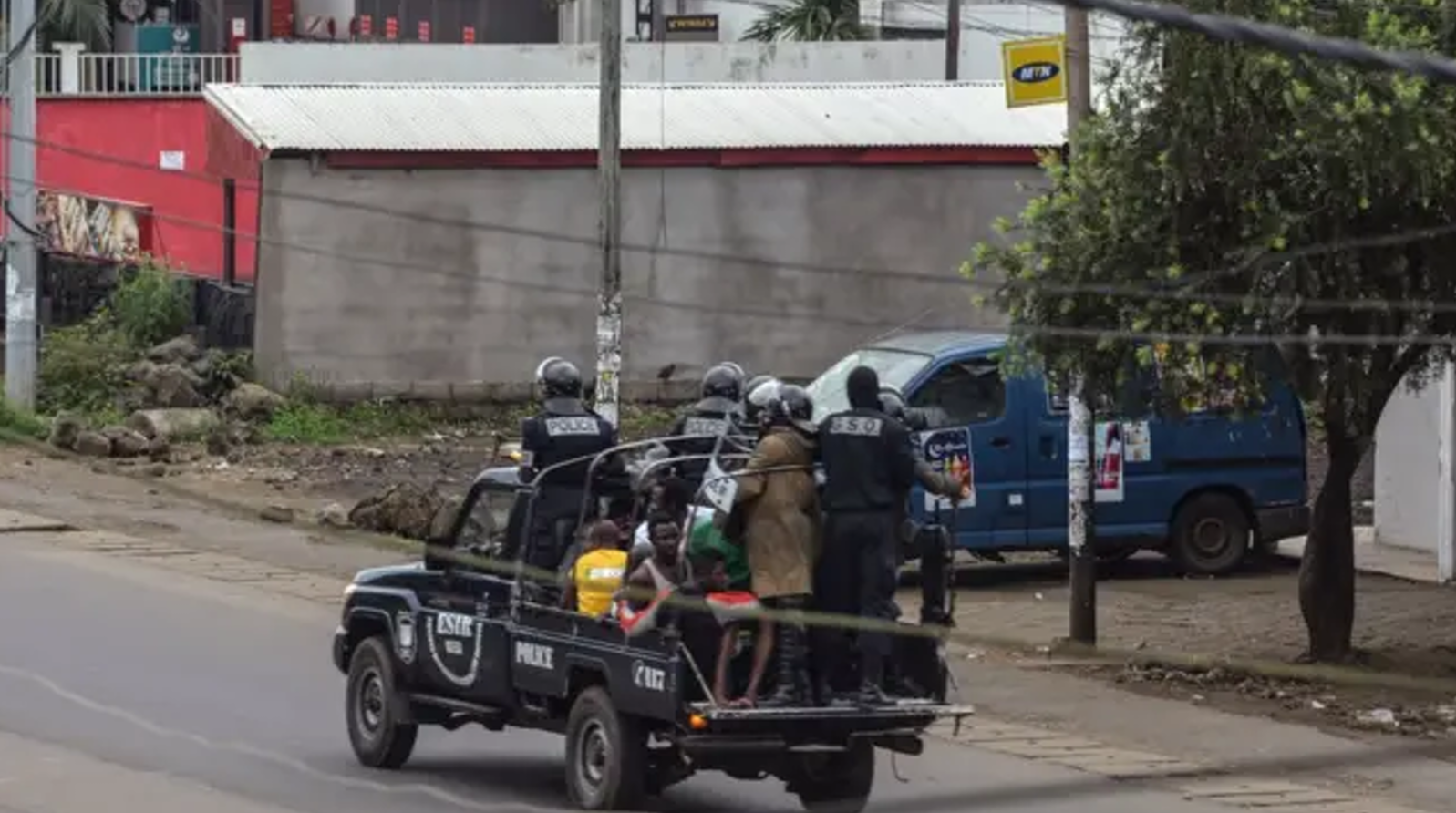
Papal visits are high-level diplomatic events requiring extensive security arrangements. The planned stop in Bamenda, NW Region of Cameroon, a stronghold of the Anglophone conflict, presents serious security sensitivities. Armed separatist groups have historically enforced “ghost town” operations in response to state-led initiatives. Efforts by authorities to maintain normal activity during the visit could trigger clashes with separatist forces, heightening the risk of violent escalation, civilian casualties, or infrastructural damage. Such developments could undermine the peace message associated with the papal mission.
3. Risk of religious sensitivity and exclusion
Cameroon is religiously diverse, comprising Christians, Muslims, and followers of traditional belief systems. While the visit holds deep meaning for the Christian population, there is a risk that some non-Christian communities may feel marginalized if the public framing of the event is overly confessional. Poorly managed messaging or politicization could unintentionally deepen interfaith sensitivities and fuel identity-based tensions at a moment when social cohesion is already fragile.
Conclusion
Pope Leo’s visit comes at a pivotal time in Cameroon’s contemporary history, amid widespread insecurity, questions of state legitimacy, and socio-economic strain. While the visit will undoubtedly carry strong symbolic value and offer spiritual consolation to millions, its deeper significance lies in its potential to shape political dialogue, governance discourse, and national reconciliation efforts.
If strategically leveraged, the papal visit could reaffirm the need for inclusive governance, support renewed dialogue on the Anglophone conflict, and reinforce the Catholic Church’s mediating role within the country’s peace architecture. However, the risks of political instrumentalization, security escalation, and interfaith tension must be carefully managed to ensure that the visit contributes meaningfully to peace and stability rather than exacerbating existing divides.

Antem Anthony
Anthony is a Head of Conflict Prevention, and Analysis Unit at the Foretia Foundation. Prior to joining the Foundation, he served as conflict, policy and security assistant at the International Crisis Group, Kenya.

Enowbachem Agbortanyi
Enowbachem Agbortanyi is a human rights, peace and political advocate with extensive experience in peacebuilding, democratic governance, and conflict resolution, particularly within the context of Cameroon. He is a Swedish Institute Alumnus and holds a Master’s degree in Political Science from Gothenburg University, Sweden.

Leave A Comment