
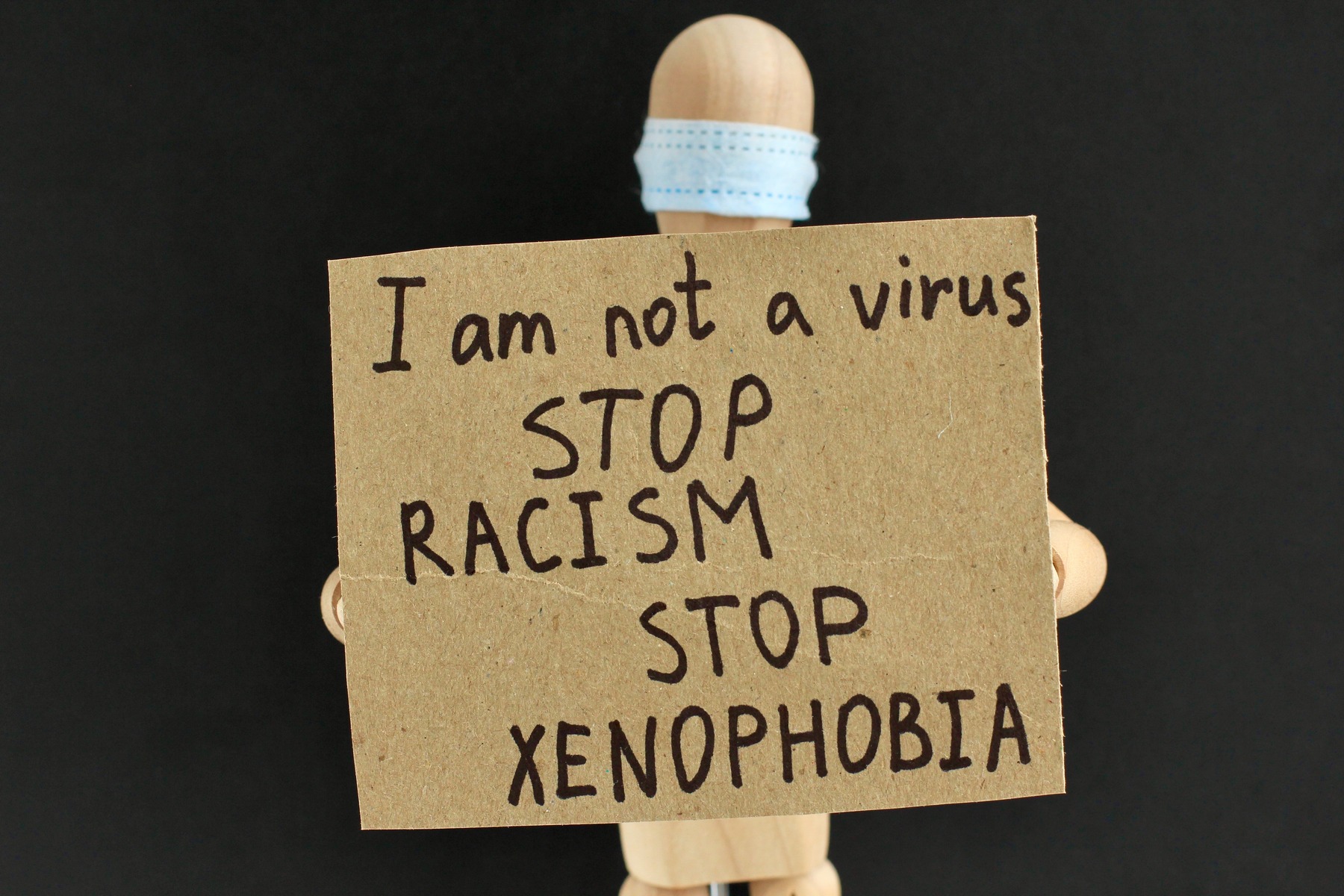
By Anthony Antem
Executive Summary
Free movement of persons stands as a cornerstone of the African Union’s Agenda 2063, particularly under Aspiration 2, which envisions “an integrated continent, politically united based on the ideals of Pan-Africanism and the vision of Africa’s Renaissance.” This framework promotes seamless intra-African mobility to foster economic prosperity, cultural exchange, and continental unity through initiatives like the African Passport and the 2018 Protocol on Free Movement of Persons. Although the African Union adopted the Protocol on the Free Movement of Persons in 2018, implementation remains slow. As of 2026, only 32 member states have signed the Protocol and just four have ratified it, reflecting persistent concerns regarding migration governance, security, and labour-market competition. According to the International Organization for Migration (IOM), Africa hosts more than 21 million intra-African migrants, making movement within the continent a significant driver of economic and social exchange. The implementation of the African Continental Free Trade Area is projected to increase intra-African trade by over 50 percent and lift millions out of poverty by facilitating the movement of goods, services, capital, and people as reported by the World Bank Group. Yet, its realization faces even profound obstacles from resurgent xenophobia, most starkly evident in South Africa, where recurrent violent attacks on African migrants have claimed lives, displaced thousands, and eroded public trust in integration efforts. This policy brief examines how xenophobia undermines the African Union’s Agenda 2063 and the Protocol on the Free Movement of Persons by restricting intra-African mobility, weakening social cohesion, and hindering economic integration. It further proposes policy measures to address xenophobic attitudes and promote a more inclusive and integrated Africa.
Key Messages
- Xenophobia poses a significant risk to the achievement of Agenda 2063 objectives: Recurring xenophobic incidents across Africa may undermine the AU’s vision of an integrated continent by restricting the free movement of people, weakening Pan-African solidarity, and reducing public confidence in continental integration initiatives.
- Xenophobia entails significant economic costs: Anti-migrant sentiments disrupt labor mobility, discourage investment, hinder skills transfer, and may weaken the implementation of the African Continental Free Trade Area (AfCFTA), thereby limiting Africa’s economic transformation potential.
- Effective Migration Governance Requires Social Acceptance: The success of the AU Free Movement Protocol depends not only on legal frameworks but also on public support, community cohesion, and sustained efforts to combat misinformation and negative perceptions of migrants.
- Coordinated Action is Essential: Addressing xenophobia requires a multi-level approach involving the AU, RECs, member states, civil society, media, and local communities to strengthen prevention, monitoring, education, and accountability mechanisms.
I- Xenophobia and contradictions of Pan Africanism
Pan-Africanism emerged as a movement promoting the unity and collective advancement of African peoples in response to colonialism and racial oppression. Its leading advocate, Kwame Nkrumah, envisioned a united Africa where borders would not hinder the movement of people, goods, and ideas. This vision remains central to the African Union’s Agenda 2063 and its pursuit of continental integration and free movement. Xenophobia, defined as prejudice, discrimination, or hostility toward individuals perceived as foreigners, poses a significant challenge to the realization of the AU’s Agenda 2063 and the free movement of Africans across the continent. Rooted in a combination of economic insecurity, unemployment, competition for resources, political manipulation, misinformation, and socio-cultural tensions, xenophobia often manifests through exclusionary attitudes, discriminatory policies, and, in some cases, violent attacks against African migrants. These dynamics may directly contradict the principles of Pan-Africanism, solidarity, and regional integration that underpin Agenda 2063 and the AU Protocol on the Free Movement of Persons. Recent patterns across the continent, particularly recurring xenophobic violence against African migrants in South Africa and instances of hostility toward foreign traders and workers in other African states, illustrate how xenophobia disrupts cross-border trade, labor mobility, social cohesion, and diplomatic relations. However, some countries remain cautious about fully embracing free movement due to concerns surrounding migration governance, labour market pressures, and national security considerations. Policymakers often worry that increased cross-border mobility could strain existing administrative systems and complicate efforts to manage migration effectively. There are also apprehensions that an influx of workers may intensify competition for employment opportunities, particularly in economies facing high levels of unemployment. Security concerns, including the potential for irregular migration, transnational crime, and challenges in border management, further shape national positions on mobility policies. Addressing these concerns through stronger governance frameworks, labour market coordination, and enhanced security cooperation will be critical to advancing regional integration and free movement initiatives.
II- How Xenophobia hampers African Continental Integration
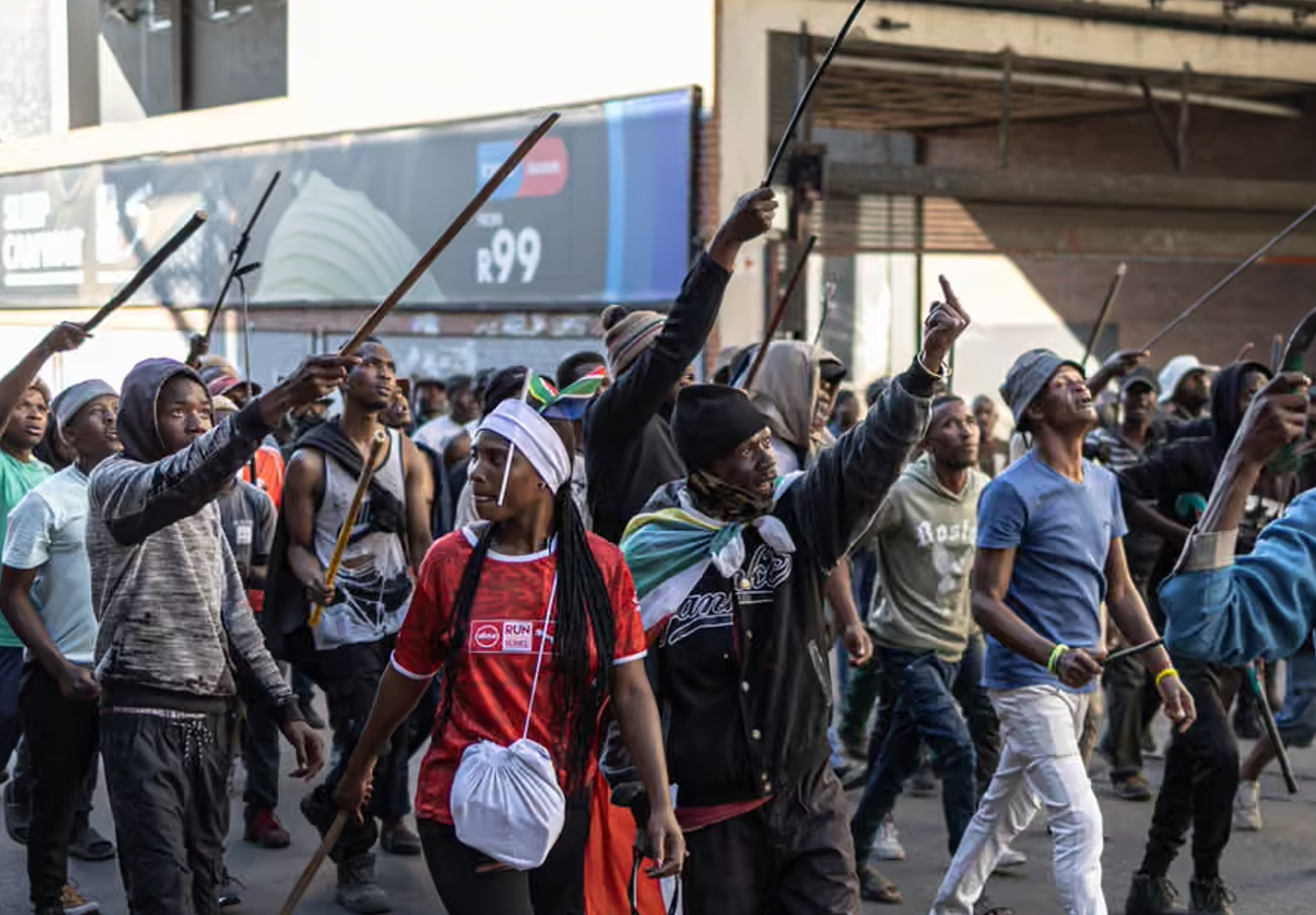
Xenophobia continues to undermine African continental integration by creating social, economic, and political barriers to the free movement of people, goods, and services across the continent. One of the most prominent examples is the recurring xenophobic violence in South Africa, particularly the attacks of 2008, 2015, 2019 and now 2026 which target migrants from countries such as Nigeria, Ghana, Zimbabwe, Mozambique, and Somalia. Recent incidents reportedly resulted in the deaths of two Nigerian nationals, displacement, destruction of businesses, and diplomatic tensions between African states, weakening trust and cooperation among countries that are expected to drive regional integration. A broader examination of the continent reveals that xenophobia is not confined to South Africa. In West Africa, tensions between Ghanaian and Nigerian traders continue to challenge the implementation of ECOWAS free movement commitments. In North Africa, Sub-Saharan African migrants in countries such as Tunisia and Libya have faced discrimination and exclusion, while East African states like Kenya and Ethiopia grapple with refugee integration challenges. Similarly, cross-border tensions involving migrants and traders in parts of Central Africa occasionally undermine regional cooperation and economic exchange. These experiences demonstrate that xenophobia remains a continent-wide challenge that threatens Africa’s aspirations for free movement, regional integration, and Pan-African solidarity under Agenda 2063.
III- Implications for AU Agenda 2063
The persistence of xenophobia across Africa carries profound implications for the achievement of the African Union’s Agenda 2063, particularly its aspirations 1, 2, 3 and 6 for an integrated, prosperous, and people-driven continent.
By fostering hostility toward African migrants, xenophobia undermines the free movement of persons, one of the flagship initiatives of Agenda 2063, and weakens the spirit of Pan-African solidarity upon which continental integration is founded. Incidents of violence, discrimination, and exclusion discourage cross-border labor mobility, limit opportunities for skills transfer and innovation, and reduce the willingness of entrepreneurs and investors to engage in regional markets. Furthermore, xenophobic tensions strain diplomatic relations between African states as seen with the rivalries between South Africa and Ghana, and South Africa and Nigeria, complicating efforts to strengthen regional cooperation and collective problem-solving. These challenges also impede the effective implementation of the African Continental Free Trade Area by disrupting trade networks, discouraging business expansion across borders, and weakening confidence in Africa as a unified economic space.
Beyond the economic consequences, xenophobia erodes social cohesion and undermines the development of a shared African identity, which is central to Agenda 2063’s vision of “The Africa We Want.” If left unaddressed, xenophobia risks slowing progress toward deeper political integration, economic transformation, and people-to-people connectivity, thereby jeopardizing the realization of several key aspirations and flagship projects envisioned under Agenda 2063.
Conclusion and Policy Pathways
The success of Agenda 2063 will depend not only on removing physical borders but also on dismantling the social and psychological barriers that divide Africans. Without addressing xenophobia, the promise of free movement, regional integration, and a united Africa risks remaining an aspiration rather than a reality. In light of these, the paper proposes the following recommendations;
- For the African Union (AU) and Regional Economic Communities (RECs): The AU and RECs could, by 2030, establish and operationalize a Continental Anti-Xenophobia Framework aligned with Agenda 2063 and the Protocol on the Free Movement of Persons
- For Member States: AU Member states could enact or strengthen legislation criminalizing xenophobic violence, hate speech, and discrimination against African migrants by 2027, while establishing dedicated reporting and response mechanisms within national human rights institutions.
- Member states could commit to reducing administrative barriers to intra-African mobility by accelerating the ratification and implementation of the AU Free Movement Protocol and ensuring that visa-on-arrival or visa-free access is extended to citizens of at least 75% of African countries by 2030.
- For Civil Society Organizations (CSOs): Civil society organizations could establish national and regional anti-xenophobia coalitions by 2028 to monitor incidents, document abuses, and advocate for the protection of migrant rights.
- For media organizations: In collaboration with CSOs, media organs could launch evidence-based campaigns to counter misinformation and negative stereotypes about migrant.

Antem Anthony
Anthony is a Head of Conflict Prevention, and Analysis Unit at the Foretia Foundation. Prior to joining the Foundation, he served as conflict, policy and security assistant at the International Crisis Group, Kenya.



Leave A Comment