
By Dr Pippie Hugues
Executive Summary
The US and Israel military attack on Iran raises critical questions about the legality of preemptive military action under international law and the role of the United Nations Security Council in managing such conflicts. This policy brief examines the legal framework governing the use of force, focusing on the contentious doctrine of anticipatory self-defense and its application to the US/Israel context regarding Iran. It further analyzes the effects, consequences of the attack and eventual retaliation within the Middle East and the international community, and the capabilities and limitations of the UN Security Council in conflict mediation, given political divisions among its permanent members. The brief concludes with actionable recommendations to ensure adherence to international law, reinforce multilateral diplomacy, and prevent escalation into wider regional or global conflict.
Key Messages
- US/Israel strikes on Iran must meet strict international law criteria.
- UN Security Council effectiveness is limited by veto power.
- Multilateral diplomacy and law are key to managing US/Israel-Iran tensions.
- Military action requires clear legal grounds and wide consultation.
- Faster mediation and clearer self-defense laws prevent unilateral strikes.
Introduction
Tensions between the United States, Israel, and Iran had escalated in recent years, leading to eventual attacks in February 2026. These tensions centered on concerns over Iran’s nuclear program, regional influence, and military capabilities. The possibilities and consequences of a US/Israel military strike against Iran presents profound challenges for the international legal order, which generally prohibits the use of force except in cases of self-defense or Security Council authorization.
The United Nations Charter underpins the global framework for maintaining peace and security, explicitly limiting states’ recourse to military force. Yet, the doctrine of anticipatory self-defense, allowing preemptive strikes against imminent threats, remains legally ambiguous and politically contentious. This paper aims to clarify the international legal principles surrounding preemptive military action and to assess the role and response of the UN Security Council in such scenarios. Understanding these dimensions is vital for policymakers to navigate the complex legal and diplomatic landscape while managing risks of regional destabilization.
This brief uniquely highlights a clear, focused analysis of the international legal framework governing preemptive military strikes, specifically addressing the contentious doctrine of anticipatory self-defense. It critically evaluates the legal ambiguities and political challenges that surround US/Israel military action against Iran, while thoroughly examining the UN Security Council’s capacity and limitations in responding to such crises. By bridging legal theory with practical diplomatic considerations, the paper offers policymakers actionable insights to better navigate the risks of unilateral interventions and enhance the role of international institutions in preventing regional destabilization.
Legality of Preemptive Military Action
International law, primarily embodied in the UN Charter, prohibits the use of force against the territorial integrity or political independence of any state (Article 2(4)). However, Article 51 recognizes the inherent right of self-defense if an armed attack occurs. A key legal question is whether this right extends to preemptive or anticipatory self-defense, that is, the use of force before an actual armed attack takes place, as in the case under consideration.
The doctrine of anticipatory self-defense allows a state to act against an imminent threat but requires strict criteria: the threat must be instant, overwhelming, and leave no choice of means or moment for deliberation; the response must be necessary and proportionate. This principle, rooted in customary international law, lacks universally agreed definitions, making its application controversial. The critical issue in this case is whether these criteria are satisfied.
It is important to distinguish between anticipatory (or preemptive) self-defense and preventive war. Anticipatory self-defense targets an immediate and imminent threat, while preventive war aims to counter potential, future threats and is generally deemed illegal under international law. Historical examples often cited include Israel’s 1967 strike against Egypt and the 1981 bombing of Iraq’s Osirak reactor; however, both remain subjects of legal and political debate.
In the US/Israel-Iran context, claims of an imminent threat from Iran’s nuclear program and regional activities are central to justifying any preemptive strike. A rigorous legal analysis must assess whether the threat meets the standards of immediacy and necessity, and whether the military response is proportionate to the threat posed. Failure to meet these criteria could render the attack unlawful under international law, exposing the actors to international condemnation and potential legal consequences.
Notably, the International Court of Justice (ICJ) in the Nicaragua case underscored the strict limitations on the use of force in self-defense, emphasizing the necessity and proportionality requirements. This jurisprudence reinforces the narrow scope for lawful anticipatory self-defense and highlights the need for clear evidence of an imminent threat.
The effect and consequences of US/Israel attack on Iran.
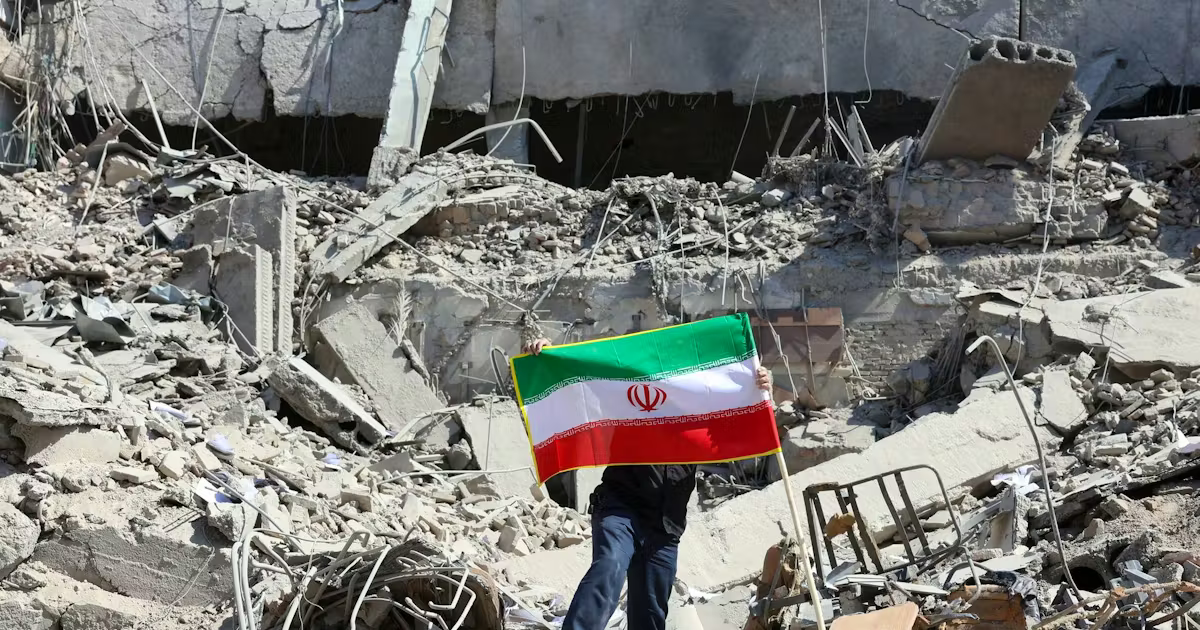
On February 28, 2026, the United States and Israel launched coordinated airstrikes against Iran, targeting military facilities, nuclear sites, and key leadership, including the killing of Supreme Leader Ali Khamenei. This marked a major escalation with wide-ranging consequences.
Immediate Military Effects
- Iranian Retaliation:Iran responded with missile and drone attacks on Israeli cities and U.S. military bases in the Gulf, including in the UAE, Qatar, and Bahrain, causing casualties and infrastructure damage. This underscores the risk of rapid escalation and the need for robust defense and crisis management strategies.
- Regional Spillover:The conflict spread to Lebanon, where Iran-backed Hezbollah fired rockets into Israel, prompting Israeli counterstrikes. This highlights the potential for proxy conflicts to widen regional instability.
Geopolitical Shifts
- S.-Israel Strategic Alliance:The joint military action reinforced the U.S.-Israel partnership aimed at limiting Iran’s nuclear ambitions and regional influence, but also increased tensions with countries opposing such unilateral use of force.
- Iran’s Political Resilience:Despite losing its Supreme Leader, Iran’s regime swiftly consolidated power under Mojtaba Khamenei, indicating regime durability and the limits of decapitation strikes in destabilizing authoritarian governments.
- Global Diplomatic Reactions:Major powers including Russia, China, France, and the UK, along with the UN Secretary-General and some African nations, condemned the strikes as unprovoked aggression, warning of potential humanitarian and economic crises. This reflects the diplomatic challenges faced by the U.S. and Israel in securing broad international support.
Economic and Cybersecurity Impacts
- Disruption of Global Energy Markets:The conflict caused significant disruptions in the Strait of Hormuz, a critical oil transit route, leading to a sharp rise in global oil prices and economic uncertainty. This demonstrates how regional conflicts can have immediate and far-reaching economic consequences, necessitating contingency planning in energy security.
Humanitarian Impact
- Civilian Casualties and Displacement:Airstrikes and retaliatory attacks resulted in significant civilian casualties and internal displacement within Iran and neighboring countries, exacerbating humanitarian needs in an already fragile region.
- Strain on Medical and Relief Services:The conflict overwhelmed local healthcare infrastructure and humanitarian organizations, complicating efforts to provide urgent medical care and essential supplies.
- Risk of Wider Humanitarian Crisis:Continued hostilities risk deepening food insecurity, disrupting water supplies, and increasing refugee flows, with broader implications for regional and global humanitarian stability.
Role of International Bodies in Conflict Mediation
The UN Security Council is the primary international body responsible for maintaining peace and security, empowered under Chapter VI of the UN Charter to facilitate peaceful dispute resolution and under Chapter VII to authorize enforcement measures, including military action. However, its effectiveness is frequently undermined by the veto power of the five permanent members, whose conflicting geopolitical interests often lead to deadlock, as seen in past crises involving contentious use of force.
This veto paralysis poses a significant challenge in responding promptly and cohesively to conflicts such as a US/Israel strike on Iran, limiting the Council’s ability to act decisively. While the Security Council remains central, other international bodies have complementary roles: the International Court of Justice offers legal opinions and dispute resolution without enforcement authority, and the International Criminal Court addresses accountability for war crimes but does not mediate conflicts.
Regional organizations such as the Arab League, Gulf Cooperation Council (GCC), and Organization of Islamic Cooperation (OIC), can play important roles in dialogue facilitation, confidence-building, and local peacebuilding efforts. Their involvement is critical in providing culturally informed mediation and augmenting international responses where the Security Council is constrained.
Given these dynamics, enhancing the Security Council’s mediation capacity, fostering consensus among major powers, and integrating regional organizations are vital steps to effectively manage the conflict and prevent wider escalation.
Consequences of delayed UN Security Council Response
A delayed or muted response by the UN Security Council damages the UN’s credibility and authority as an impartial mediator and enforcer of international law, particularly regarding sovereignty and the use of force. This erosion of confidence weakens global trust in the UN’s capacity to manage crises effectively.
Without timely intervention, diplomatic avenues stall, allowing the conflict to escalate. Iran and its allies may intensify military retaliation, while the US and Israel could persist with aggressive operations, heightening regional instability.
Such delays also reflect and deepen geopolitical polarization within the Security Council, notably between Western powers often aligned with US/Israel and members like Russia and China sympathetic to Iran. This division fractures international cooperation on broader security challenges and risks further fragmenting the global order.
In sum, delayed UNSC action undermines global security governance by exacerbating conflict, weakening international law, worsening humanitarian crises, and complicating diplomatic solutions, thereby amplifying instability in the Middle East and beyond.
Conclusion
The legality of preemptive military action against Iran by the US and Israel remains deeply contested under international law, hinging on strict and often ambiguous criteria regarding imminence, necessity, and proportionality. While the UN Security Council possesses the mandate to address threats to peace, political divisions limit its capacity to act decisively in such complex conflicts.
Adherence to international legal standards and reliance on multilateral diplomacy are critical to preventing further destabilization in the Middle East. Policymakers must carefully weigh the legal and strategic implications of military action and prioritize conflict resolution mechanisms that uphold the international rule of law.
Actionable Recommendations
-
- For the US and Israel:
- Ensure all military actions against Iran strictly comply with international law criteria for self-defense, providing transparent justification of imminence and proportionality.
- Engage proactively with the UN Security Council, regional organizations, and international partners to seek diplomatic support and minimize unilateral operations.
- For the UN Security Council:
- Convene urgent sessions to build consensus on conflict prevention and mediation.
- Develop rapid response mechanisms and peacekeeping frameworks tailored to emerging regional threats.
- For Regional Organizations and the International Community:
- Facilitate and support inclusive diplomatic negotiations involving Iran and regional stakeholders to de-escalate tensions and address security concerns.
- Reinforce international legal norms against unilateral use of force to uphold global stability.
- For Policymakers and Legal Advisors:
- Conduct thorough legal assessments before endorsing military actions to ensure compliance with international law.
- Promote international dialogue to clarify and codify the parameters of anticipatory self-defense, reducing legal ambiguities and risks of misuse.

Dr. Pippie Hugues
Dr. Pippie Hugues is a Policy Analyst at the Governance and Democracy Division of the Nkafu Policy Institute. He holds a Ph.D. in International Law with specialty in Human Rights, Conflict and Peace building.



Leave A Comment