

By Dr Pippie Hugues
Executive Summary
Cameroon’s political landscape continues to be shaped by recurring electoral boycotts, despite the return to multiparty politics in 1990. Major opposition boycotts, such as the SDF in 1992/93, the MRC in 2020, and indications of possible withdrawals by the FSNC and others ahead of 2026, highlight persistent concerns over electoral credibility, institutional trust, and unresolved political grievances, including the Anglophone crisis.
These boycotts weaken political representation, reinforce one‑party dominance, and contribute to voter apathy and declining public confidence in elections. As Cameroon approaches the 2026 municipal and legislative cycle, strengthening transparency, revising electoral laws, and broadening political inclusion are essential. Exploring alternatives to boycotts, including strategic coalitions, participation under protest, and stronger civic engagement, can enhance legitimacy and promote more meaningful democratic participation.
Key messages
- Electoral boycotts are becoming a recurrent strategy, undermining participation and legitimacy.
- Greater political inclusiveness is essential to rebuild trust and reduce voter apathy.
- Legal and institutional reforms—particularly to the electoral code and ELECAM—are needed to enhance transparency and credibility.
Introduction
Cameroon’s transition from a single-party state under the Cameroon National Union (CNU) now transformed to the Cameroon People’s Democratic Movement (CPDM) was formalized by the “Liberty Laws” of December 1990. Despite this legal opening, the ruling party has maintained a dominant grip on the administrative and electoral machinery. The history of elections in Cameroon is thus a history of contestation, where the opposition frequently oscillates between participation in a supposedly flawed system and total withdrawal to signal dissent. Discussions in this brief will anchor on the premise that persistent use of electoral boycotts by major opposition parties creates a “representation vacuum” and erodes public trust in the democratic process. When significant portions of the political spectrum refuse to participate, the resulting government lacks the broad-based legitimacy required for effective governance. Additionally, boycotts often lead to voter apathy, as citizens feel their participation is futile in a pre-determined system. This cycle of exclusion and withdrawal threatens the social contract and, in the context of the ongoing Anglophone crisis, exacerbates regional tensions. This paper sets out to analyze the historical and contemporary drivers of electoral boycotts in Cameroon, specifically examining the landmark boycotts of 1992/1993 and 2020, while looking forward to the 2026 electoral cycle. It seeks to evaluate the implications of these withdrawals on the democratic fabric of the country and propose viable alternatives and policy recommendations to enhance electoral participation and institutional integrity. It should equally be noted that this brief is building on Nkafu’s post elections bulletin, where analysis have been on the effects on October 12th pools and the way forward. However, the paper goes further to access the 2026 election cycle which is that of the municipal and parliamentary elections.
Historical Overview of Key Boycotts
The 1992/1993 Legislative and Presidential Aftermath
The first major shock to the multiparty era occurred when the Social Democratic Front (SDF), led by John Fru Ndi, boycotted the March 1992 legislative elections. The party argued that the electoral code was biased and that an independent electoral commission was a prerequisite for fair play. This decision allowed the ruling CPDM to secure a majority, an accession many opined it might otherwise have struggled to obtain.
The MRC Boycott of 2020
In February 2020, the Cameroon Renaissance Movement (MRC), led by Maurice Kamto, boycotted the twin municipal and legislative elections. Kamto cited two primary reasons: the failure of the government to resolve the bloody conflict in the Northwest and Southwest (NW/SW) regions and the refusal to reform the electoral system (specifically the ELECAM structure). This boycott was significant because it left the MRC, the main challenger in the 2018 presidential race, without a single seat in parliament or local councils, effectively “de-institutionalizing” the party for a five-year period.
Potential Boycott of 2026: The FNSC and the Opposition
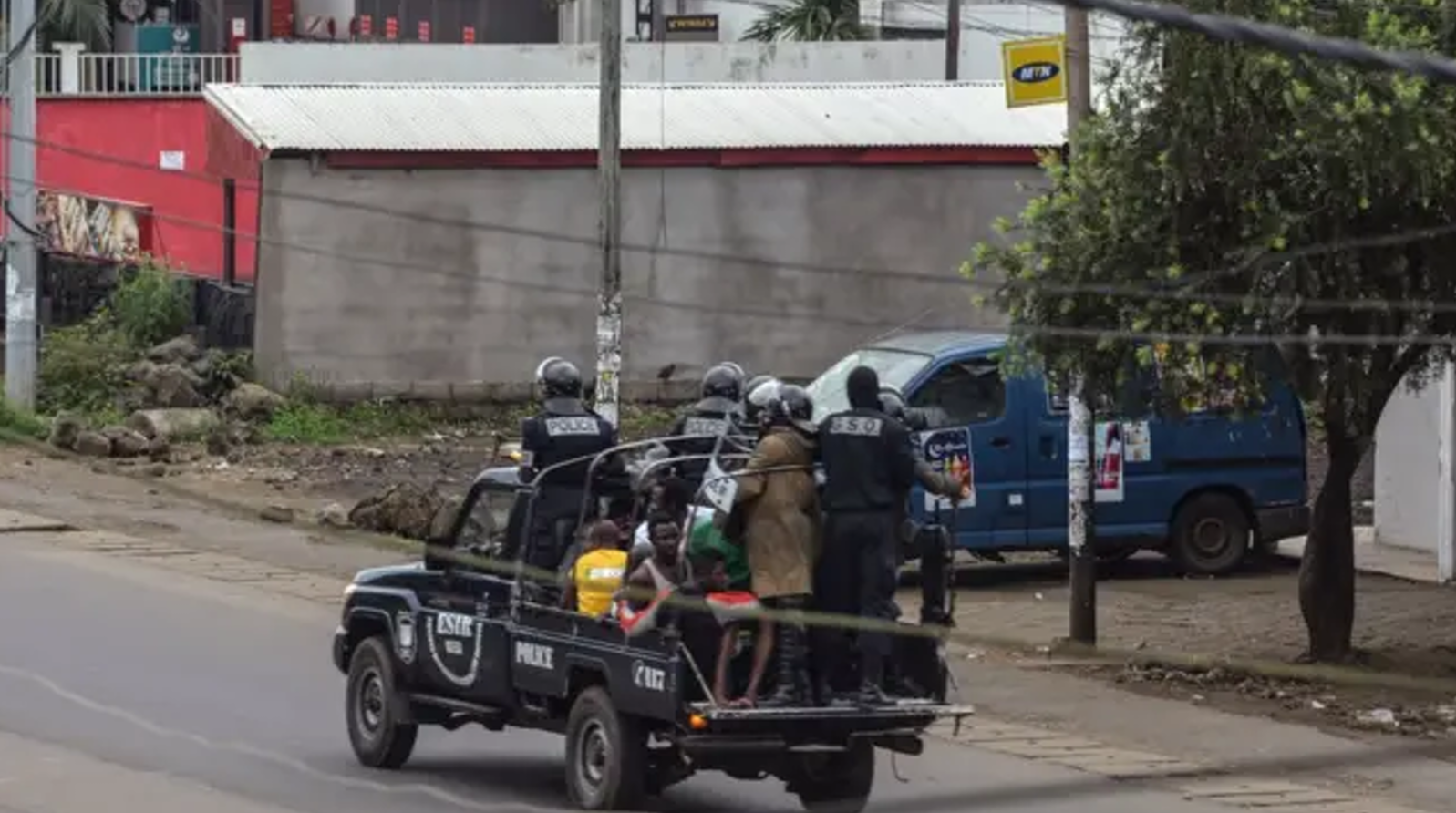
Looking toward the 2026 legislative and municipal elections, the Front National pour le Salut du Cameroun (FNSC) and other coalition-leaning parties have hinted at the possibility of withdrawal if the electoral code remains unchanged. In a recent outing by opposition candidate and runner up of the October 12th 2025 presidential elections, Issa Tchiruma Bakary, who continues to contest the official results and positions himself as a candidate of change, declared that the FSNC will not be participating in the 2026 local elections. The party is insisting that participating in such elections will be validating the ruling party’s claim of victory. It should be noted that FSNC has already boycotted the regional elections that took place on November 30th 2025. Apart from the FSNC, we have other political oppositions like UPC who have equally echoed possibilities of a boycott. The discourse surrounding 2026 is increasingly focused on the “Consensus Electoral Code,” a project spearheaded by a platform of opposition parties and civil society organizations. If the government continues to ignore these calls for reform, a multi-party boycott could occur, potentially surpassing the 2020 abstention rates.
Implications of Electoral Boycotts
The decision to boycott is rarely a sign of political strength; rather, it is often a “weapon of the weak” that carries heavy costs for the democratic process. The boycott of local elections by opposition parties in Cameroon is a controversial strategy that raises questions about democracy and citizens’ participation. Some analysts argue that this boycott could play into the hands of the ruling party, CPDM, allowing them to win elections easily and strengthen their grip on power.
- Erosion of Legitimacy: A boycott fundamentally challenges the (Legitimacy) of the elected body. If the participation rate falls below a certain psychological threshold, the moral authority of the winners to govern is diminished. In many constituencies in the NW/SW regions during 2020, participation was reportedly in the single digits, rendering the local mandates functionally symbolic. According to 237info News Agency, Election observer reports confirm turnout in some constituencies was below 10%, raising questions about the legitimacy of local mandates.
- One-Party Dominance: Boycotts inadvertently facilitate the “hegemonic preservation” of the ruling CPDM. By vacating the field, the opposition grants the ruling party a “legal” path to a supermajority, which is then used to pass constitutional amendments that further entrench the status quo.
- Voter Apathy and Radicalization: When voters see their preferred parties withdrawing, they do not simply switch candidates; they often stop voting entirely. This “disenfranchisement by choice” can lead to radicalization, as citizens feel that the only way to effect change is through extra-parliamentary or violent means, a trend observed in the escalation of the Anglophone crisis.
Alternatives to Boycotts
Institutional Alternatives
- Participation Under Protest:
Opposition parties can maintain their institutional presence by participating in the National Assembly while actively documenting and publicizing electoral and legislative irregularities. This approach provides a formal platform to voice dissent, propose legislation, and hold the ruling party accountable, even if opposition initiatives are ultimately voted down. - Parallel Governance and Monitoring:
By employing technology for Parallel Vote Tabulation (PVT), opposition parties can independently monitor elections and produce empirical data that challenge official results. This tactic shifts opposition efforts from a “refusal to play” into a “refusal to accept fraud,” increasing pressure on authorities and enhancing credibility with international observers.
Political Alternatives
- Strategic Coalitions:
Rather than withdrawing from elections or fragmenting the vote, opposition parties can form “Single Front” coalitions that consolidate the anti-incumbent electorate. This strategy reduces vote splitting, which typically benefits the ruling CPDM under Cameroon’s first-past-the-post or mixed-member electoral systems, thereby strengthening the opposition’s electoral competitiveness.
- Increase voter education:
Rather than engaging in boycotts, oppositions should accompany CSOs in the voter education campaign through continuous advocacy, not living out issues to biometric harmonization and the inclusion of the disable and marginalize population in the process.
Civil Society Tactics
- Promoting Inclusivity to Reduce Boycotts:
Recurrent election boycotts in Cameroon often arise from feelings of exclusion and marginalization within the political system. Encouraging inclusivity through active engagement with youth, persons with disabilities, and marginalized groups can foster greater participation, alleviate political tensions, and bolster democratic legitimacy. This approach addresses root causes of boycotts and builds a foundation for a more resilient and vibrant democracy, especially ahead of the 2026 elections and beyond.
- Grassroot Mobilization:
CSOs have the opportunity to engage and communicate with the local population more than most political stakeholders. Consequently, they owe a duty of care not just to advocate and educate with the political parties, but to equally mobilize the local population to turn out massively during elections and shun boycotts.
Conclusion
The democratic path of Cameroon since the reintroduction of multiparty politics in 1990 has faced challenges between institutional continuity and the need for genuine political change. The electoral environment is often affected by boycotts, disputed results, and distrust towards Elections Cameroon (ELECAM). Opposition parties use boycotts as a means to delegitimize perceived fraudulent processes, yet this has often reinforced the ruling Cameroon People’s Democratic Movement (CPDM). To improve democratic legitimacy and address ongoing boycotts, it is crucial to adopt political alternation as a comprehensive approach across all election levels. This entails both technical enhancements, like biometrics and a single ballot system, and a philosophical shift towards viewing alternation as a multi-faceted process. Enhancing participation also requires tackling barriers faced by marginalized groups, notably the significant “disability gap” in voter turnout, to foster a truly inclusive democracy.
Policy Recommendations
To enhance electoral participation and move away from the cycle of boycotts, the following reforms are essential:
For the Government of Cameroon
- Reform the Electoral Code: Conduct a participatory review of the 2012 Electoral Code to incorporate a single‑ballot system, a two‑round presidential election, and clearer safeguards for transparency.
- Strengthen ELECAM’s Independence: Revise the appointment process for ELECAM board members through multi‑party and civil society vetting to reduce perceptions of political influence.
- Expand Biometric Integration: Implement full biometric verification at polling stations to prevent multiple voting and strengthen the integrity of voter identification.
For Political Parties
- Adopt Consistent Engagement Strategies: Prioritize sustained participation over intermittent boycotts to maintain institutional presence and voter confidence.
- Invest in Voter Education: Conduct year‑round outreach and registration campaigns, particularly targeting youth and persons with disabilities who face participation barriers.
For Civil Society Organizations (CSOs)
- Enhance Independent Oversight: Engage in continuous monitoring of voter registration, dispute resolution mechanisms, and pre‑electoral processes—not only election‑day observation.
- Promote Inclusive Participation: Advocate for the removal of administrative and financial barriers to obtaining National Identity Cards, enabling more citizens to register and vote.
For the International Community
- Support Democratic Space: Use quiet diplomacy and technical assistance to encourage respect for political freedoms and improvements in electoral administration throughout the electoral cycle.
- Back Civil Society Capacity‑Building: Provide support for domestic observation networks, data collection efforts, and advocacy initiatives aimed at improving transparency and accountability.
Towards the International Community
- Diplomatic Pressure: Engage in proactive “quiet diplomacy” to encourage the government to respect the rights of assembly and expression for all political actors, ensuring a level playing field well before the 2026 electoral cycle

Dr. Pippie Hugues
Dr. Pippie Hugues is a Policy Analyst at the Governance and Democracy Division of the Nkafu Policy Institute. He holds a Ph.D. in International Law with specialty in Human Rights, Conflict and Peace building.


Leave A Comment