

By Pr NGO TONG Chantal Marie
Executive summary
Young people aged 18–35 account for more than half of Cameroon’s labor force and are the social group most affected by unemployment and underemployment. Difficulties in accessing formal jobs push many into the informal sector, which currently represents about 86.6% of total employment. The predominance of informality and the relative weakness of the private sector are major constraints to effective integration of youth into the formal labor market. Multiple integration programs have proved ineffective due to limited collaboration, lack of synergy, and fragmented resources. In addition, the persistent mismatch between education and labor‑market needs undermines strategies for youth socio‑professional integration. Structural and institutional reforms are therefore needed to: adapt training to labor‑market demands; strengthen the private sector; and improve public action on youth employment.
Introduction
The Cameroonian population is estimated at 29.12 million in 2025. According to the age pyramid developed by the National Institute of Statistics (NIS) in 2021, the population aged 0 to 15 years represents 45% of the population, and according to the World Bank, young people aged 18 to 35 years in 2024 represent 57% of the working population in Cameroon. Considering that the legal working age in Cameroon is 14 years (Article 86 of the 1992 Labor Code)[1] the International Union for Scientific Study of Population estimates that The population aged 15-34 will be 12.3 million by 2035. The rapid population growth and large youth cohort contrast sharply with the scarcity of job opportunities. The level of education does not seem to have a strong impact on youth employment. Young people are exposed to unemployment and underemployment, and many are pushed into informal sector activities. Whether they have no certificates, hold a first school leaving certificate (FSLC), have graduated from secondary school (GCE O Level, GCE A Level), or hold a higher education degree (HND, Bachelor’s, Master’s, PhD), young people struggle to find decent, productive work that matches their qualifications. The severity of the problem became apparent with the “unemployed PhDs” protests starting in 2018. As Viviane Laetitia Abomo notes all the difficulties young people in Cameroon face in integrating the job market : the mismatch between training and the qualifications required by the job market, and the structural imbalance between the formal and informal sectors. Cameroonian graduates, from GCE A to PhD, struggle to find employment in a system where “the civil servant complex” or “the fascination with the civil service” suffers from the stigmas of the administrative supervision.
The article analyzes the limits of government measures for youth socio-professional integration implemented under Cameroon’s national employment policy (I) as well as the programs and structures for youth employment and integration (II).
-
Employment policy as a tool for youth socio-professional integration
Considering the difficulties young people face in accessing employment and stable, regular income, governments are implementing employment policies specifically focused on their socio-professional integration.
I.A. Measures to promote employment
Socio-professional integration aims to promote access to employment and regular financial resources. It is a work-based integration process that emphasizes matching training to employment. Measures adopted to achieve this objective range from increasing the overall volume of employment to developing a socio-professional integration policy. In particular, employment policy is an essential tool for the creation of decent, productive jobs.
Convention No. 122 of the International Labour Organization (ILO) concerning employment policy commits in Article 1, paragraph 1 that each Member State is required to formulate and implement “… as a key objective, an active policy aimed at promoting full, productive and freely chosen employment.” Full employment is a policy objective that requires the full utilization of the factors of production, namely labour and capital. It does not mean the absence of unemployment ; it implies a reduction of the unemployment rate to 5% and is characterized by the existence of voluntary unemployment.
I.B Full employment: a continuing challenge for socio-professional integration
The objective of full employment, found in the various strategic frameworks implemented in Cameroon since 2000 (PRSP, 2001-2010; DSCE, 2011-2020), has not yielded the expected results, as the youth unemployment rate reached 74 % in 2024. In the National Development Strategy 2030 (SND30), the promotion of employment and economic inclusion has as overall objective to “promote full and decent employment.“ Full and decent employment combines productive employment with decent work. It implies expanding and enhancing job creation opportunities in both the public and formal private sectors. However, the employment structure in Cameroon is dominated by the informal sector (86.6% of jobs), while in the formal sector (15%), the public sector (8.2%) predominates over the private sector (5.1%). The vision underpinning Cameroon’s employment policy is to “make Cameroon a nation where every working-age citizen, regardless of gender, social status, or religion, has access to decent employment in an environment of strong, sustainable, and inclusive economic growth by 2027.” To achieve this vision, which has evolved from the poverty reduction strategy to the growth and employment strategy, the Cameroonian government has implemented numerous programs for young people, the social group most affected by this full employment policy.
-
Programs and Institutions for Socio-professional integration
Since 1990, Cameroon has created structures and implemented programs to adress youth unemployment and support their socio-economic integration. In 1990, it created the National Employment Fund (FNE), a public administrative body responsible for implementing the government’s policy on promoting employment, self-employment, and the integration of job seekers. The Ministry of Employment and Vocational Training was created in 2004 to implement the government’s policy on promoting employment and developing vocational training opportunities. Yet demographic pressure and the growing number of job seekers have challenged this approach and steered policy more strongly towards self-employment.
-
A. Structures and programs to self-employment
The promotion of self‑employment is a socio‑professional integration strategy centered on an entrepreneurial culture. The objective is to empower young people by establishing support structures that orient, coach, and finance viable business initiatives. In response to a rapidly growing population and an increasing number of young job seekers, the government also reorganized the FNE in August 2023 to adapt it to new youth‑employment challenges. To reduce youth unemployment, numerous programs are managed by several ministries, including the Ministry of Youth Affairs and Civic Education, the Ministry of Small and Medium‑Sized Enterprises, Social Economy and Handicrafts, and the Ministry of Agriculture and Rural Development. These institutions and programs include, among others: the National Observatory of Employment and Vocational Training (ONEFOP), the National Observatory of Employment (ONT), the National Youth Council (CNJ), and the National Action Plan for Youth Employment (PANEJ). To promote self-employment and youth employment, various programs have been implemented, including: the Integrated Support Program for Informal Sector Actors (PIAASI), the Graduate Employment Program (PED), the Rural Employment Development Support Program (PADER), the project to support the craft sector, the Rural and Urban Youth Support Program (PAJER-U), the Socio-economic Integration Project for Youth through the Creation of Micro-Enterprises Manufacturing Sports Equipment (PIFMAS), the Support Program for the Return of Cameroonian Migrants (PARIC), the Cameroonian Government’s National Youth Employment Program, High-Intensity Labor (HIMO) projects, the 102 billion FCFA Special Three-Year Youth Plan, etc.
-
B.The Ineffectiveness of measures to promote self-employment
The State remains the largest provider of formal employment; however, it is clear that the civil service will not employ all of the country’s graduates, and not all PhD holders will be absorbed by public universities. The demands made by PhD holders—which resulted in the special recruitment of 2,000 university lecturers over a three‑year period—reveal the severity and depth of the youth unemployment problem and the challenges related to their socio‑professional integration.
In such a context, socio‑professional integration is understood, following Fournier and Monette, as “the successful transition from schooling to working life,” a “transition between studies and the labor market.” It is therefore necessary to expand employment opportunities in the private sector, as well as opportunities for self‑employment, all the more so because employment is both a means and an end of development.
III. Conclusions and recommendations
The socio‑professional integration of young people in Cameroon remains a major challenge. The mismatch between training and the needs of the labor market continues to be a significant obstacle. The employment policy designed and implemented with the objective of promoting socio‑professional integration has proven ineffective. Within the new dynamic of the SND30, it is therefore necessary to:
— Revise the national employment policy so that it aligns with the evolving transformations of the labor market;
— Reduce the number of structures and programs responsible for guiding and supporting young people from training to professional integration;
— Reform and streamline youth programs, and strengthen cooperation and synergy among the relevant institutions;
— Improve the targeting of young job seekers by distinguishing them by age group, level of education, and field of training, in order to ensure appropriate interventions;
— Promote transparency, availability, and reliability in the information system related to employment opportunities;
— Promote employment in the private sector and the development of self‑employment.
Policies must evolve with the transformations of the economic system. Maintaining an economic system that does not fully develop the potential of the labor force is clearly a non‑viable choice.
[1] “ Children may not be employed in any business, even as interns, before the age of fourteen (14) years (…)”

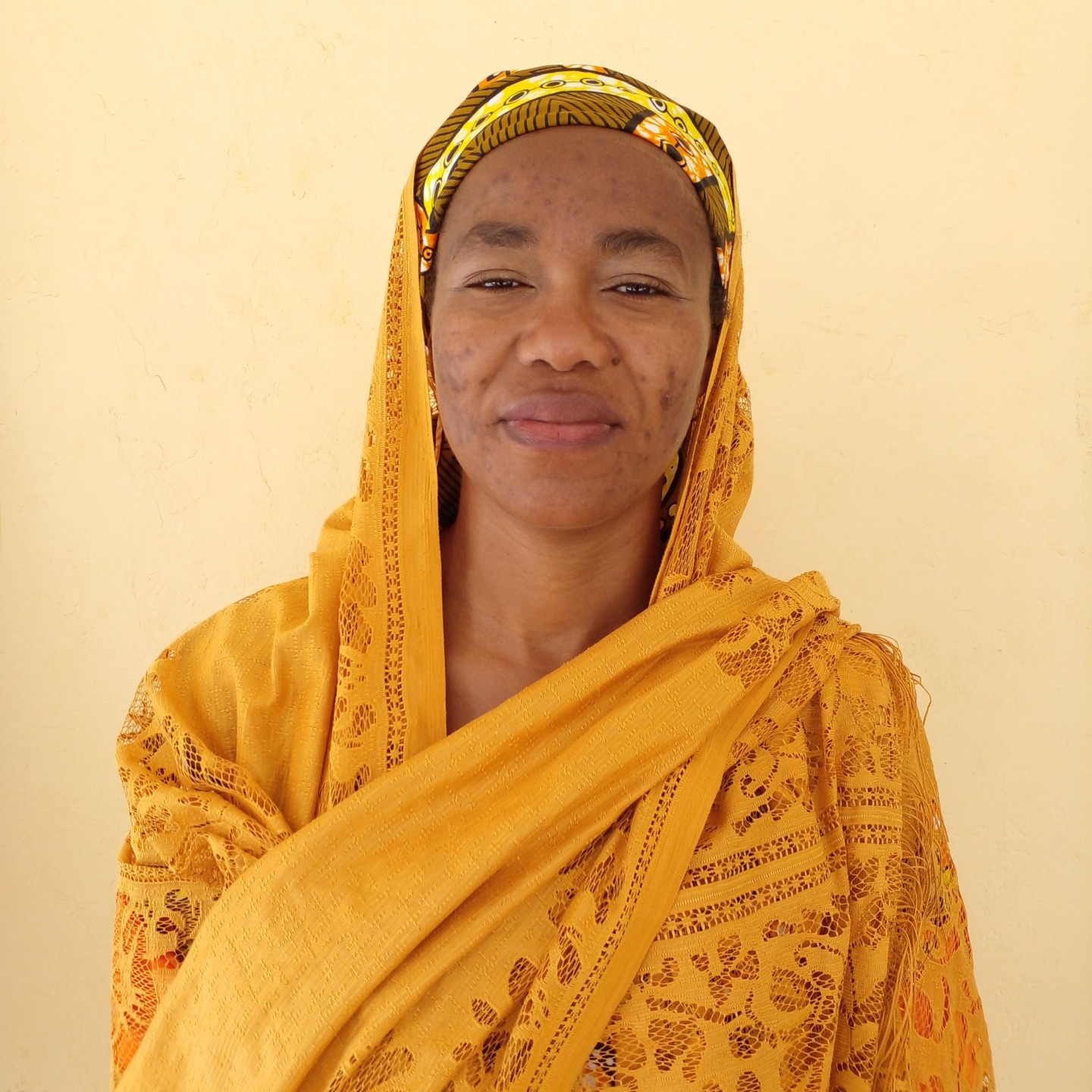
Prof. NGO TONG Chantal Marie is a Research associate in Governance & Democracy at the Nkafu Policy Institute. She holds a Ph.D. in Political Science, obtained from the University of Nantes (France) in the international thesis co-supervision agreement between University of Yaoundé II (Cameroon) and University of Nantes (France).



Leave A Comment