
Anthony Antem
Executive Summary
At the same time that migration continues to play a critical role in Cameroon’s informal economy, regional trade networks, and labor markets, current migration policies in Cameroon are constrained by weak institutional coordination, limited data systems, and gaps in legal protection particularly for vulnerable groups such as refugees, internally displaced persons, women, and informal migrant workers. To address these challenges, this brief proposes three strategic policy priorities. First, strengthening legal and institutional frameworks to ensure coherence, accountability, and alignment with regional and international standards. Second, enhancing protection mechanisms by embedding human rights safeguards, improving access to basic services, and addressing exploitation and discrimination. Third, leveraging migration for development through targeted labor market integration, skills recognition systems, and diaspora engagement strategies.
Policy Highlights
- Migration in Cameroon has become increasingly complex, with the country simultaneously serving as a point of origin, transit, and destination for diverse migrant populations
- Existing policies put in place to govern the situation of migrants are often fragmented, weakly coordinated across institutions, and insufficiently aligned with principles of equity, protection, and economic inclusion.
- Migrants have the potential to contribute to sustainable economic development if their potentials are properly recognized, harnessed and integrated into labor markets.
- Cross-sectoral collaboration and policy alignment with international standards can contribute in enhancing migration frameworks, mobilizing resources and providing valuable opportunities to migrants.
Context and Rationale
Migration in Cameroon has become increasingly complex, with the country simultaneously serving as a point of origin, transit, and destination for diverse migrant populations, including refugees, internally displaced persons, and labor migrants. According to the 2026 Cameroon Crisis Response Plan, 15.6 million USD is required to save 2.9 million persons in the fiscal year. However, current migration governance remains fragmented and inadequately coordinated, with key gaps including weak institutional alignment, limited protection mechanisms for vulnerable groups, insufficient integration of migrants into formal economic systems, and a lack of reliable data to inform policy decisions. Addressing these challenges requires a set of targeted policy actions: developing a comprehensive and coherent national migration framework, strengthening legal and institutional protections for migrants, promoting inclusive labor market access and skills recognition, improving migration data systems, and enhancing multi-stakeholder coordination across government and non-state actors. The urgency of these reforms is underscored by evolving security concerns linked to displacement and cross-border movements, the need to harness migration’s potential for economic growth and labor market resilience, and Cameroon’s strategic role within Central Africa, where effective migration governance is critical to regional stability, cooperation, and sustainable development. This policy brief seeks to identify strategies that enhance migrant protection, promote equitable access to opportunities, and leverage migration as a driver of sustainable economic integration and national development.
I – Overview of migration in Cameroon
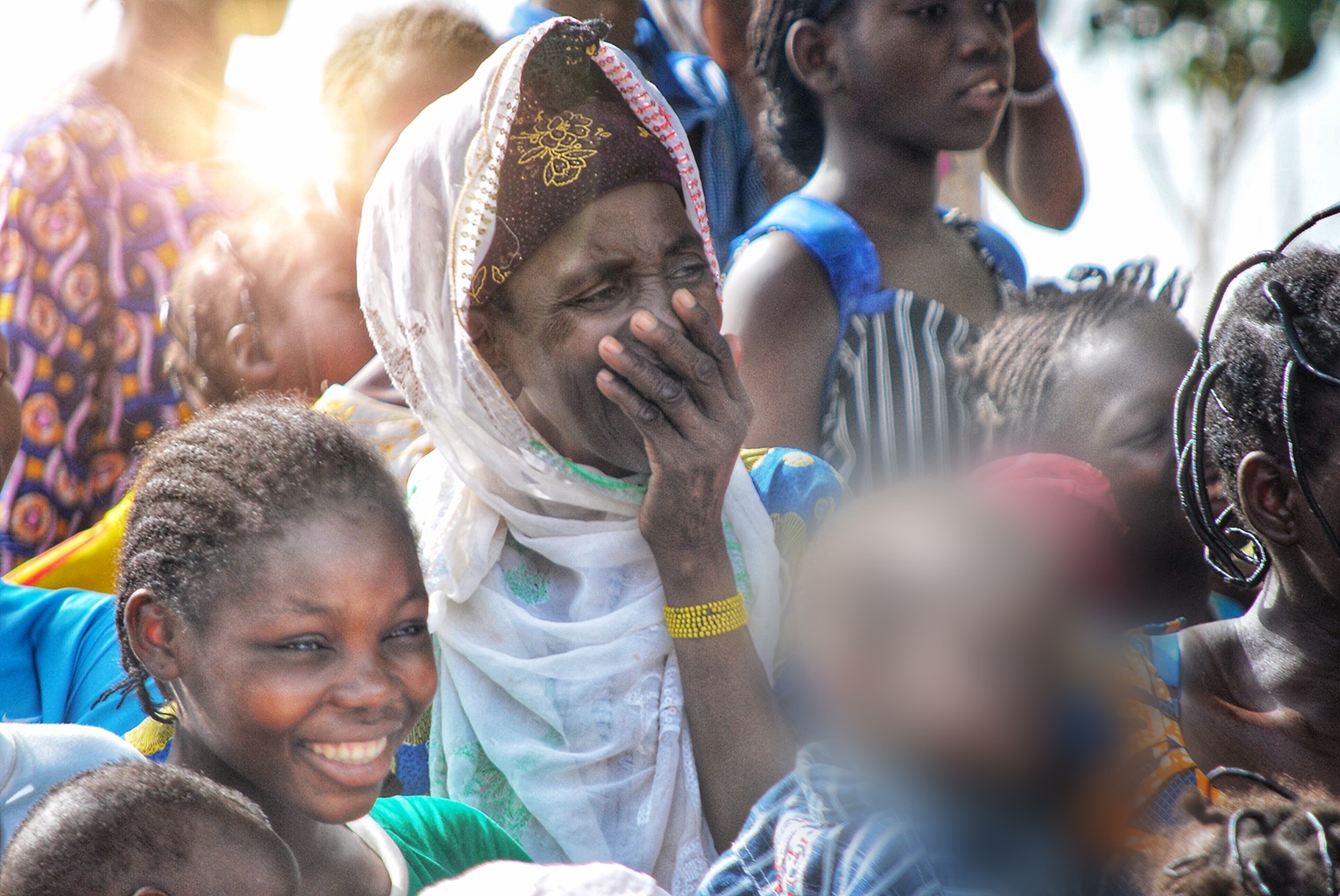
Recent trends indicate a steady inflow of refugees and asylum seekers from neighbouring countries such as Central African Republic and Nigeria, alongside significant internal displacement driven by insecurity in the Far North, North-West, and South-West regions. At the same time, outward migration particularly among youth continues to rise, often characterized by irregular pathways toward North Africa and Europe in search of better economic prospects. These patterns are underpinned by multiple, overlapping drivers. Armed conflict and political instability remain primary catalysts, notably the Anglophone Crisis and cross-border insurgencies linked to Boko Haram, which have forced large-scale displacement. Economic factors, including high youth unemployment, underemployment, and limited access to formal livelihoods, further incentivize migration as a survival and mobility strategy. Additionally, environmental stressors such as desertification in the Sahelian north, recurrent flooding, and land degradation are increasingly contributing to livelihood insecurity and population movements. Together, these intersecting trends highlight the need for a nuanced, data-driven migration policy that recognizes the diversity of migrant profiles and addresses both the structural drivers and immediate protection needs associated with migration in Cameroon.
II – Synopsis of existing legal and institutional frameworks
At the national level, migration governance in Cameroon is anchored in a range of legal and regulatory instruments governing entry, residence, labor, and refugee protection, though these remain fragmented and unevenly enforced. Regionally, Cameroon is guided by frameworks developed under the African Union, including the Migration Policy Framework for Africa and the African Common Position on Migration and Development, which emphasize free movement, protection of migrants’ rights, and the development potential of migration. At the international level, the country is a signatory to key global instruments such as the Global Compact for Safe, Orderly and Regular Migration and the 1951 Refugee Convention, committing to principles of protection, responsibility-sharing, and orderly migration governance. However, despite this multi-layered normative framework, coordination, domestication, and effective implementation within national systems remain partial. Institutional overlaps, limited technical capacity, and weak inter-agency collaboration continue to hinder policy coherence. This disconnect underscores the urgent need for stronger alignment between Cameroon’s international obligations and domestic policy practice, including the harmonization of legal instruments, clearer institutional mandates, and enhanced monitoring and accountability mechanisms to translate commitments into tangible outcomes.
III – Policy recommendations towards an inclusive national migration framework in Cameroon
– Develop a National Migration Policy Framework with Clear Coordination Mechanisms by 2027: The Government of Cameroon should design and adopt a comprehensive National Migration Policy Framework that clearly defines institutional roles, coordination protocols, and accountability structures across at least five key ministries (External Relations, Employment and Vocational Training, Defence, Social Affairs, and Territorial Administration).
– Strengthen Legal Protection Systems for Migrants and Displaced Populations
By 2028, the Government of Cameroon through Parliament, should revise and harmonize at least three key legal instruments governing migration and refugee protection to ensure compliance with the 1951 Refugee Convention and the Global Compact for Safe, Orderly and Regular Migration. This should include the establishment of dedicated legal aid units in all 10 regions, training of at least 500 judicial and law enforcement personnel, and the rollout of standardized protection protocols for vulnerable groups.
– Promote Labor Market Integration (Skills Recognition and Access to Formal Employment by 2029: the Ministry of Employment and Vocational Training should operationalize a national skills recognition and certification system for migrants and displaced persons, targeting at least 10,000 beneficiaries across priority sectors such as agriculture, construction, and services. In parallel, the government should incentivize private sector participation through tax or regulatory benefits, aiming to facilitate 5,000 formal job placements for migrants within three years.
–Enhance Data Collection and Migration Intelligence Systems
By 2027, Cameroon should establish a centralized Migration Data Management System housed within the National Institute of Statistics, capable of generating biannual migration reports and disaggregated data (by age, gender, status, and region). This system should integrate data from border authorities, humanitarian agencies, and local administrations, and be supported by training for at least 200 data officers nationwide.
– Foster Multi-Stakeholder Collaboration (Government, Civil Society, Private Sector): By 2026, the government should institutionalize a National Migration Dialogue Platform that convenes biannually, bringing together government agencies, civil society organizations, private sector actors, and international partners. The platform should produce joint policy briefs and action plans and support at least three pilot initiatives annually (e.g., migrant employment schemes or community integration programs).
Conclusion
Rather than viewing migration solely as a challenge, it should be reframed as a powerful driver of economic growth, human capital development, and regional integration. Harnessing these opportunities, however, requires deliberate and sustained policy action anchored in coordination, inclusivity, and evidence-based decision-making. A coherent and well-implemented migration framework will not only strengthen protection and social cohesion but also position Cameroon to fully leverage migration as a catalyst for sustainable development.

Antem Anthony
Anthony is a Head of Conflict Prevention, and Analysis Unit at the Foretia Foundation. Prior to joining the Foundation, he served as conflict, policy and security assistant at the International Crisis Group, Kenya.



Leave A Comment