
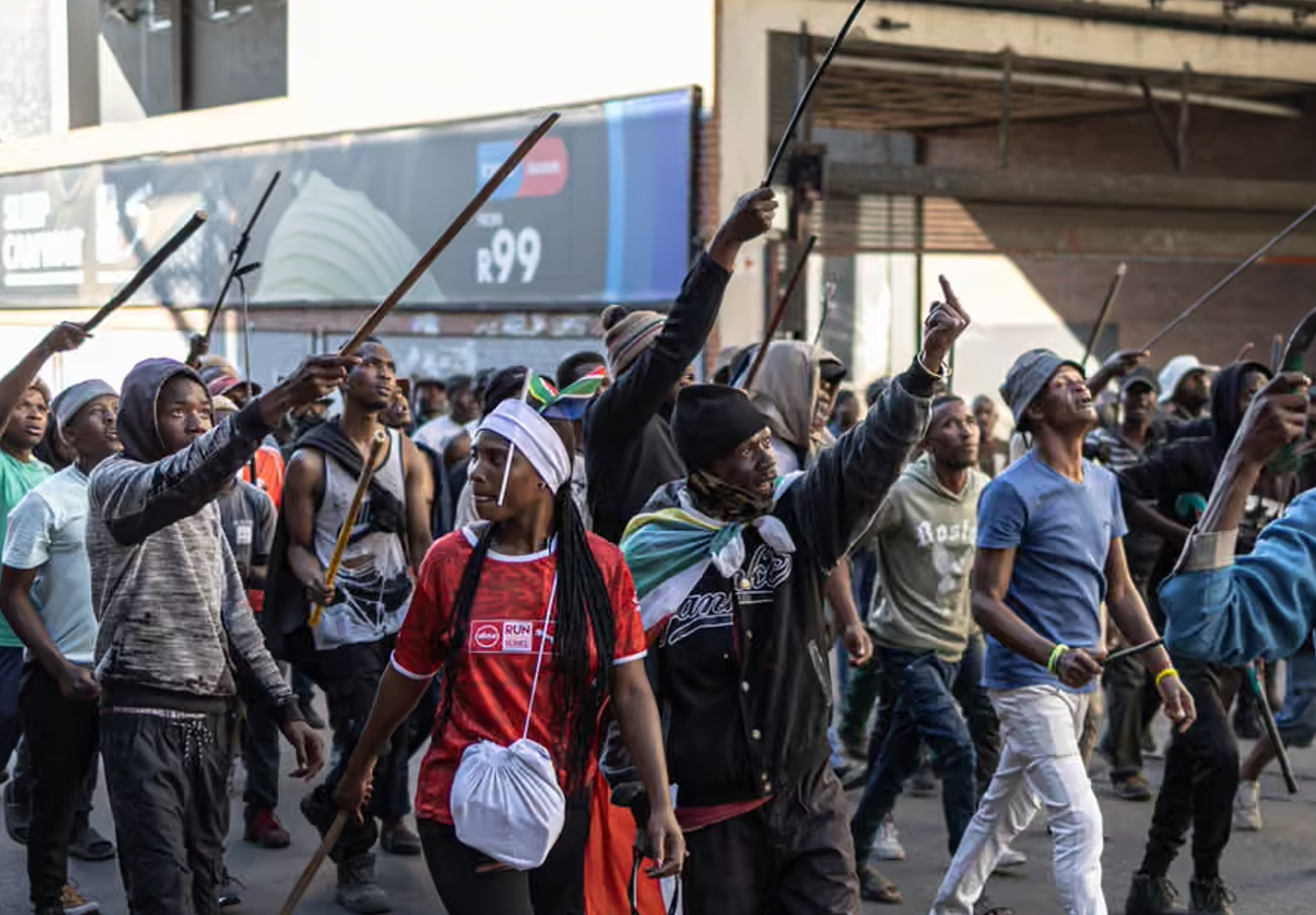
By Prof. Théophile NGUIMFACK VOUFO
Download the Strategic Insight
Key points
- The resurgence of xenophobic attacks in South Africa in 2026 highlights the limitations of African mechanisms for protecting nationals abroad.
- Despite the existence of recognized legal tools in international law, diplomatic protection has been little used by the States concerned.
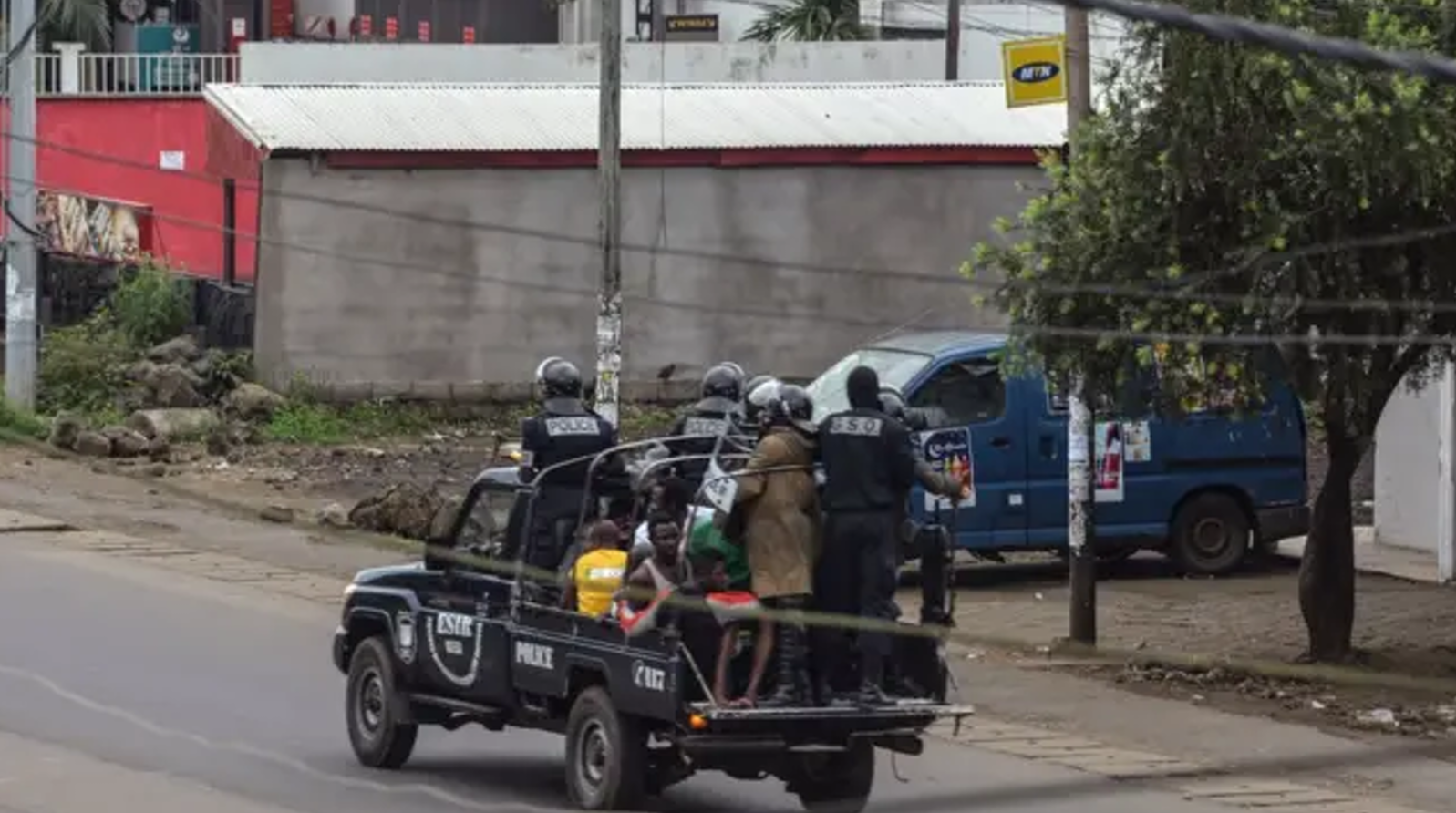
- The reactions observed mainly took the form of diplomatic condemnations, repatriations and appeals to regional organizations.
- The effectiveness of diplomatic protection depends as much on political will as on the diplomatic and consular resources available.
- This crisis underlines the need for African States to strengthen their protection capacities and cooperation in the face of serious violations of the rights of their nationals.
Strategic Issue
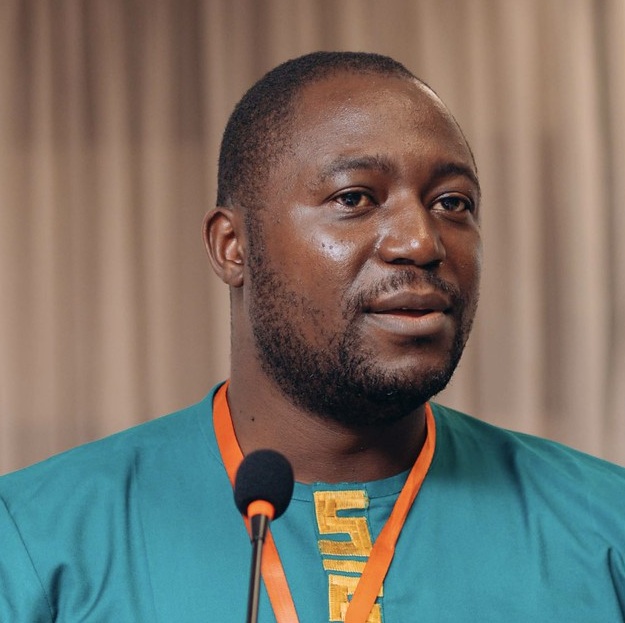
In the first half of 2026, South Africa experienced a new wave of xenophobic attacks targeting primarily nationals of other African countries. Although acts of xenophobia are not new in the country, their resurgence, their organized nature, and their impact on foreign populations raise serious concerns regarding human rights, security, and regional cooperation.
This situation also highlights an often-overlooked issue: the ability of African States to protect their citizens when they are victims of serious human rights violations abroad. While several governments have responded with diplomatic condemnations, political consultations, or repatriation operations, diplomatic protection—despite being recognized as a traditional instrument of international law—has remained marginal in the observed responses.
Through the case of South Africa, this analysis examines the practical limitations of diplomatic protection in Africa and explores the reforms needed to strengthen the protection of African citizens beyond their borders. It argues that the main challenge lies not in the absence of legal mechanisms, but in their limited use, the institutional constraints of States, and the insufficient resources allocated to diplomatic and consular activities.
Introduction
Already facing recurring criticism regarding xenophobic violence on its territory, notably apartheid in the 20th century, South Africa is once again at the center of international attention following events that occurred in the first half of the year 2026. Indeed, the country has been the scene of xenophobic attacks against nationals of other African States. The first wave of xenophobia, which claimed approximately sixty deaths occurred in May 2008. Starting in the Alexandra township north of Johannesburg, it spread like wildfire to major cities such as Durban and Cape Town. Further deadly attacks occurred in 2019 and 2021. The resurgence of these attacks in the first half of 2026 is all the more concerning because they are no longer isolated incidents but a practice that appears to be taking root in the South African collective consciousness.
Indeed, xenophobic acts are actions, behaviors, or attacks inspired by xenophobia, that is, systematic hostility, fear, or rejection toward foreigners or those perceived as such. The systematic nature of this phenomenon results in acts that perpetrate blind injustice against innocent people. This injustice is all the more barbaric because it targets all foreigners without any other consideration, including anyone who shows tolerance toward foreigners. Given the negative consequences of xenophobia on the well-being of victims and the security of their property, protective measures must be implemented. with complete efficiency and with equal speed .
However, several observers believe that the measures implemented have fail to effectively curb the violence. Faced with these shortcomings, the home countries of these foreigners can invoke diplomatic protection. This is considered by the Permanent Court of International Justice (PCIJ) in the Mavrommatis case as a fundamental principle of international law that allows a State to protect its nationals harmed by acts contrary to international law committed by another State, for which they have been unable to obtain redress through ordinary channels.
Moreover, the home countries of the victims of these xenophobic acts have largely remained inactive , raising the question of whether diplomatic protection can still guarantee the safety of their citizens persecuted abroad. It is necessary to analyze the scale of the phenomenon before outlining the role and scope of diplomatic protection.
The violence that erupted in South Africa in 2026 extends beyond the issue of migration alone. It raises questions about the capacity of African States to effectively protect their citizens when they face massive human rights violations in another African country. This situation also highlights the gap that often exists between available legal mechanisms and their actual use in African diplomatic practice.

Prof. Nguimfack is a Research Fellow at the Nkafu Policy Institute and Lecturer at the Faculty of law and Political Sciences of the University of Dschang. He Holds a PhD/Ph.D in Public Law, option Public Finance.

Leave A Comment