

Muriel Kinkoh
Executive Summary
Child sexual violence in Cameroon remains a serious protection, public health, and human rights concern, intensified by poverty, gender inequality, weak institutional capacity, and ongoing conflict in the Northwest, Southwest, and Far North regions. This brief examines the effectiveness of Cameroon’s child protection framework, identifies the structural and socio-cultural drivers of child sexual violence, and proposes practical policy actions to strengthen prevention, reporting, and survivor support systems. It argues that while Cameroon’s legal framework provides an important basis for action, stronger implementation, coordinated institutional responses, and sustained community engagement are required to reduce violence and improve access to justice, including appropriate support for victims and affected families.
Key messages
- Cameroon possesses important legal and policy instruments on child protection, but weak enforcement and limited institutional capacity reduce their effectiveness.
- Poverty, displacement, and gender inequality significantly increase children’s vulnerability to sexual violence.
- Underreporting, stigma, and informal settlement of abuse cases undermine accountability and discourage survivors from seeking justice.
- Strengthening survivor-centered services, improving judicial responses, and expanding community awareness are critical for effective prevention and protection.
Introduction
Sexual violence against a child as defined by UNICEF is “any deliberate, unwanted and non-essential act of a sexual nature, either completed or attempted, that is perpetrated against a child, including for exploitative purposes, and that results in or has a high likelihood of resulting in injury, pain or psychological suffering.” Child sexual violence manifests in multiple forms, such as rape, sexual exploitation, sexual abuse and child marriage. Recent data illustrate the scale of the problem. UNICEF estimates that 7.7% of girls and 2.9% of boys aged 15–19 in Cameroon have experienced sexual violence. In conflict-affected regions, the risks are significantly higher. According to UNFPA, 17% of documented rape cases in the Northwest, Southwest, and Far North regions in 2023 involved children under the age of 18. The persistence of armed conflict, internal displacement, economic insecurity, and entrenched patriarchal norms has weakened protective environments for children. School disruptions, family separation, and inadequate access to justice further expose children to abuse and exploitation. Despite existing legal protections, implementation gaps continue to limit effective prevention and accountability.
This policy brief assesses current legal and institutional responses, analyzes the main drivers of child sexual violence, and proposes actionable reforms to strengthen child protection systems in Cameroon.
I. Assessment of Legal and Institutional Child Protection Frameworks in Cameroon
Cameroon has established several legal provisions criminalizing sexual violence against children. The Penal Code criminalizes rape, sexual harassment, exploitation, and related offences. Article 296 provides penalties ranging from five to ten years imprisonment for rape. These national provisions are reinforced by Cameroon’s commitments under international and regional instruments, including the Convention on the Rights of the Child (CRC) and the African Charter on the Rights and Welfare of the Child (ACRWC). Despite this normative framework, enforcement remains inconsistent and inadequate. Conviction rates for sexual offences remain low relative to the scale of abuse due to underreporting, while judicial proceedings are often prolonged and inaccessible, particularly for victims in rural and conflict-affected areas. Access to justice is slowed by long pre-trial and post-trial delays, and this discourages survivors and families from pursuing justice. In some communities, perpetrators are punished according to customary law. In others, since the victim’s family often knows the perpetrator, cases are resolved informally through family or community negotiation, undermining accountability and enabling impunity. The African Committee of Experts on the Rights and Welfare of the Child reported a case where Cameroon failed to adequately investigate, punish, and provide remedies in a case involving the rape of a 10-year-old girl.
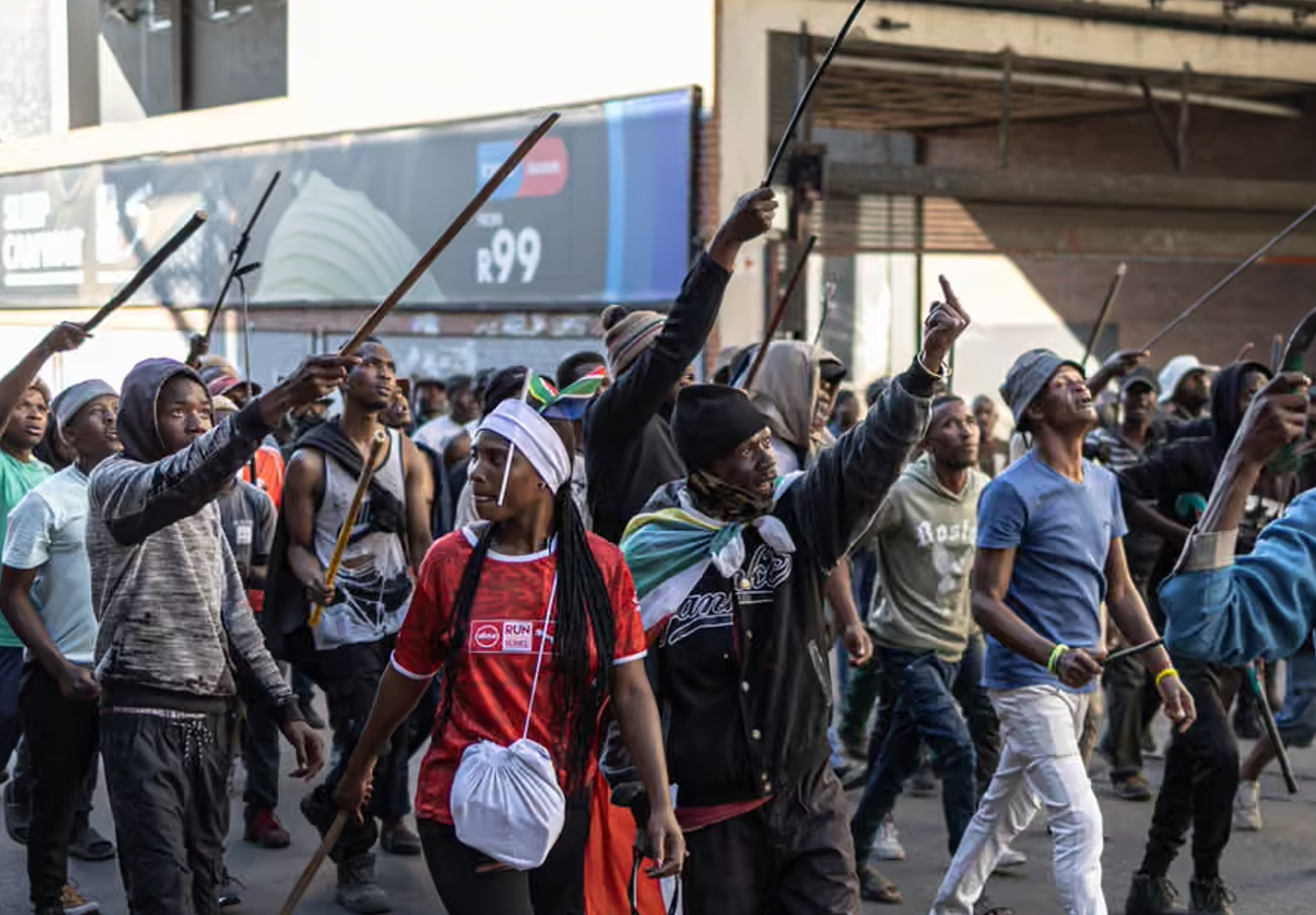
Institutional weaknesses further limit effective responses. Law enforcement officers, healthcare providers, and social workers do not have adequate capacity in handling issues of violence against children. As a result, many incidents remain undocumented or are not adequately investigated. Access to survivor support services is also limited. Although the government and humanitarian actors have introduced case management mechanisms and inter-agency coordination initiatives, coverage remains insufficient, particularly in remote communities and conflict zones. Survivors often face barriers in accessing medical care, psychosocial support, shelter, and legal assistance. This limitation has pushed some Cameroonians to organize peaceful protests decrying violence against children.
The gap between legal commitments and implementation highlights the need for stronger institutional coordination, increased investment in child protection services, and more effective accountability mechanisms.
II. Drivers of child sexual violence in Cameroon and barriers to effective prevention and response.
Child sexual violence in Cameroon is driven by interconnected economic, socio-cultural, institutional, and conflict-related factors. During March and April 2026, many children in Cameroon were sexually violated, with most cases reported in the North West and Centre regions. This is driven by a combination of factors, including economic, socio-cultural, structural, institutional, and conflict-related factors.
Economic Vulnerability
Poverty significantly increases children’s exposure to exploitation and abuse. In economically vulnerable households, children, particularly girls, may be forced into early marriage, domestic labor, or transactional relationships as families struggle to meet basic needs. Humanitarian crises and displacement have further deepened these vulnerabilities in conflict-affected regions.
Harmful Social Norms and Gender Inequality
Deep-rooted patriarchal norms and gender inequalities continue to contribute to the normalization of violence against women and children. Victim-blaming, stigma, and community pressure often discourage reporting and reinforce silence around abuse. Families may prioritize preserving social reputation over seeking justice, allowing perpetrators to avoid accountability.
Weak Family and Community Protection Structures
Children living in dysfunctional households or environments characterized by domestic violence, substance abuse, neglect, or limited parental supervision face elevated risks of sexual violence. Weak community-based child protection mechanisms also reduce opportunities for early identification and intervention.
Conflict and Displacement
The armed conflict in the Northwest, Southwest, and Far North regions has significantly weakened child protection systems. School closures, displacement, insecurity, and the collapse of community support structures have increased children’s vulnerability to sexual exploitation and abuse. Reports have also documented allegations of sexual violence involving both armed groups and security actors.
According to a report from the CBC, other factors such as alcohol consumption, communication difficulties in children with disabilities, religious beliefs, discriminatory attitudes, inaction, ignorance, and a lack of appropriate systems that prevent child abuse equally contribute to sexual violence against children in Cameroon.
Understanding and addressing these underlying drivers is essential for strengthening prevention frameworks and ensuring long-term protection for children.
III. Policy priorities and strategic actions for strengthening child protection systems
- Within 12-18 months, the parliament should revise provisions of the Penal Code relating to rape and child sexual offences to establish stronger penalties for aggravated cases involving children. The minimum sentence should be from 20 years in jail and a life sentence when it involves children or when the victim dies as a result of the act.
- The government should adopt a comprehensive child protection law that harmonizes existing legislation, defines sexual offences more clearly, and explicitly addresses online exploitation and non-penetrative abuse.
- The Ministry of Justice should fast-track procedures for child sexual violence cases to reduce prolonged judicial delays. If possible, specialized child protection units should be established within police stations and courts to improve investigations and reduce delays in prosecution.
- The government should provide free legal aid and confidential reporting mechanisms nationwide for victims of sexual violence
- Within 6-24 months, the government should expand mobile health and psychosocial outreach services to rural and conflict-affected communities.
- Within 6-18 months, the government, in partnership with civil society and community leaders, should implement sustained national awareness campaigns addressing stigma, victim-blaming, and harmful gender norms.
- Within 6-18 months, the ministries of basic education and secondary education should integrate comprehensive sexuality education and child protection awareness into school curricula nationwide to improve children’s understanding of consent, reporting mechanisms, and personal safety.
- To improve protection in conflict-affected areas, authorities should ensure timely, impartial, and independent investigations and reparations for allegations of sexual violence committed by both armed groups and state actors.
- Within 12 months, the government should establish a centralized national database on child sexual violence cases to improve monitoring, reporting, and policy planning.
- Annually, the Ministry of Justice and the Ministry of Social Affairs should publish reports on child protection trends and institutional responses to improve transparency and accountability.
Conclusion
Cameroon’s existing legal framework serves as a vital starting point for combating child sexual abuse, yet it remains inadequate due to inadequate enforcement, weak institutional capacity, and barriers to justice. The prevalence of such violence underscores the failure of purely legislative measures when they lack robust enforcement, institutional support, and meaningful societal transformation. Effective prevention and response depend on coordinated action across the justice, health, education, and social protection sectors. Strengthening survivor-centered services, improving accountability mechanisms, expanding community awareness, and investing in child protection systems are essential to ensuring that children in Cameroon are protected from abuse and have access to justice and recovery services.

Muriel Mesette Kinkoh
Muriel Kinkoh is Research assistant at the Peace and Security division of the Nkafu Policy Institute. Prior to joining the Foundation, she was administrative and coordination intern at ILIAN Consulting Company Limited; supporting advocacy, peacebuilding and conflict resolution programming.

Leave A Comment