
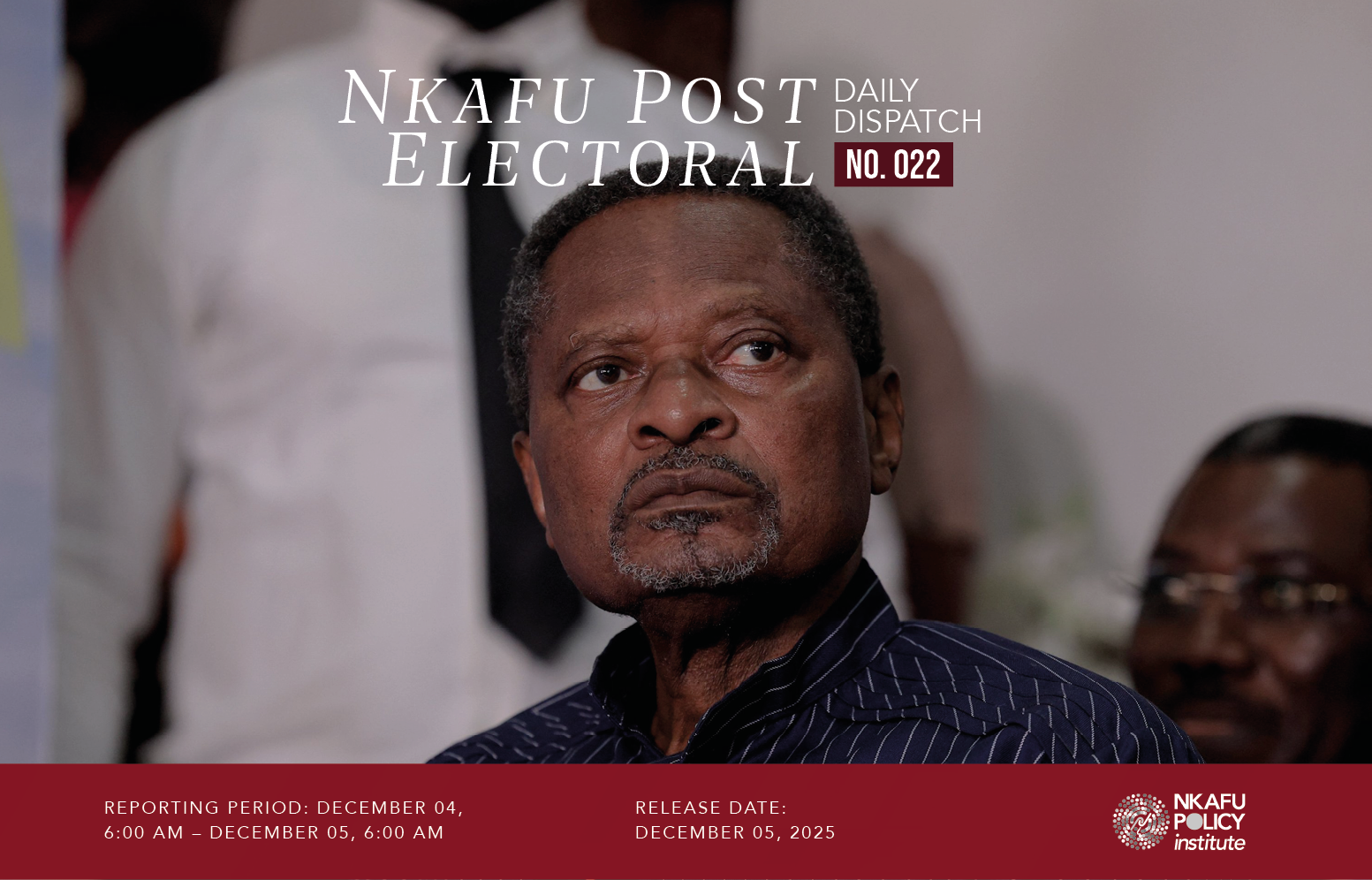
Between December 4–5, 2025, Cameroon’s postelectoral tensions intensified following the death of opposition leader Anicet Ekane in detention. Despite objections from his family, the government proceeded with an autopsy in their absence, deepening mistrust and fueling anger among supporters. Diplomatic missions, including the German and Swiss embassies, echoed the European Union’s concerns, while civil society organizations such as ACAT France demanded an independent investigation. Prominent figures like Barrister Akere Muna and former minister Michel Angouing condemned Ekane’s detention and death, framing it as a violation of human dignity and a setback for Cameroon’s democratic claims. Domestically, opposition leaders renewed calls for the release of political prisoners, with Mamadou Mota of the Cameroon Renaissance Movement demanding the liberation of detained academics and activists. Provisional results from regional elections placed the ruling CPDM ahead of other parties, reinforcing perceptions of continuity despite mounting opposition pressure. Local authorities in the West Region continued to assess the impact of postelection protests, underscoring risks of prolonged detentions and political fragmentation. On social media, government messaging concentrated on promoting the 2026 finance bill, projecting stability and economic focus. Opposition networks mobilized around demands for an inquiry into Ekane’s death, while civil society posts highlighted deteriorating detainee health conditions. In parallel, the Meiganga–Yaoundé roadblock by truck drivers—triggered by alleged harassment at checkpoints—was widely discussed online as another example of governance failure, indirectly reinforcing the atmosphere of dissatisfaction.
Share This!
About the Author: Davila Djomou

Leave A Comment