
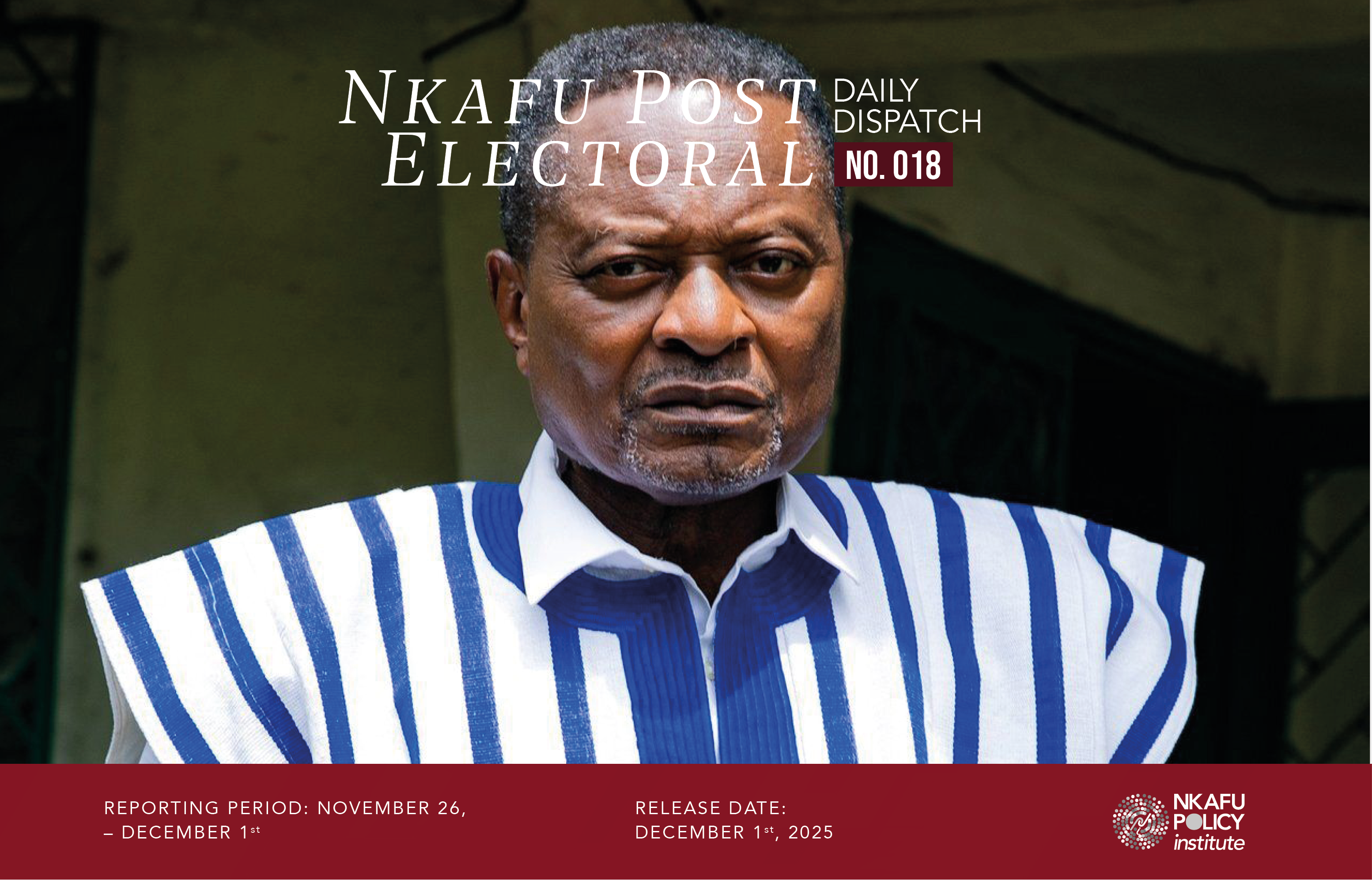
This reporting period reflects a tense and evolving post electoral environment marked by unrest, repression, economic strain, and both domestic and international reactions. Government authorities intensified measures to maintain stability, including bans on opposition gatherings, heightened checkpoints, and curfews in sensitive neighborhoods. Conditions for detainees continued to deteriorate, with reports of overcrowding and health concerns. Student frustrations escalated following the arrest of a university professor, fueling mobilization toward the announced three day lockdown by opposition leader Issa Tchiroma.
Opposition parties faced restrictions, with Maurice Kamto’s residence surrounded by security forces and his party’s convention banned. Issa Tchiroma escalated his messaging by declaring himself “President of the Republic of Cameroon” on social media, while sending solidarity messages to Kamto. Diaspora activists amplified ghost town calls, though domestic response remained limited. The most significant development of the period was the death of opposition leader Anicet Ekane, 74, president of MANIDEM, while in detention on December 1st. Arrested on October 24 during post election protests, Ekane’s health had deteriorated amid allegations of denial of medical care. His passing has sparked shock among supporters, raised serious human rights concerns, and is expected to heighten political tensions nationwide.
International observers and civil society groups repeatedly urged dialogue and reconciliation, while economic indicators pointed to worsening hardship, with fuel and cooking gas prices rising sharply despite government discount sales.
Disclaimer: This report presents verified factual updates from publicly available sources that have undergone integrity checks. It does not contain analysis, opinions, or institutional positions of the Nkafu Policy Institute.

Leave A Comment