

By Nji Seraphin Ombel Musa, Dr. Asahngwa Constantine and Dr. Ronald Gobina
Cameroon faces a silent mental health crisis that is crippling families, schools and workplaces. Depression, anxiety, and substance use disorders are rising steadily, yet access to care remains painfully limited. In simple terms, a mental disorder is a serious disturbance in thinking, mood, or behavior that disrupts daily functioning. But for many Cameroonian families, the issue is not just clinical it is financial. Over 75% of the individuals with mental, neurological, and substance use disorders in sub-Saharan Africa receive no formal treatment, in large part due to the high financial treatment cost. Seeking care often means paying entirely out-of-pocket in a system where insurance coverage is rare and public services are scarce.
The scale of the problem is striking. In 2020, mental disorders accounted for 1649.4 disability-adjusted life years per 100,000 population. By 2022, government reports showed patient numbers had more than doubled from 10,000 to 23,000. Yet rising burden is met by a disproportionate paucity of personnel with skill to manage mental health disorders. The college of about 15 psychiatrists, 200 specialized nurses and 30 clinical psychologists in Cameroon is overworked and unable to meet the needs for mental health interventions where and when needed.
Even where the appropriate specialists are available, patients face the challenge of financing healthcare services through out-of-pocket payments. This subject patients and families to economic distress and postponed care. Consequently, in the absence of deliberate policy and financing reforms, mental health disorders maintain potential to significantly cripple families, affect productivity and worsen poverty, besides the dire consequences on individual patient outcomes.
Barriers to financing mental healthcare
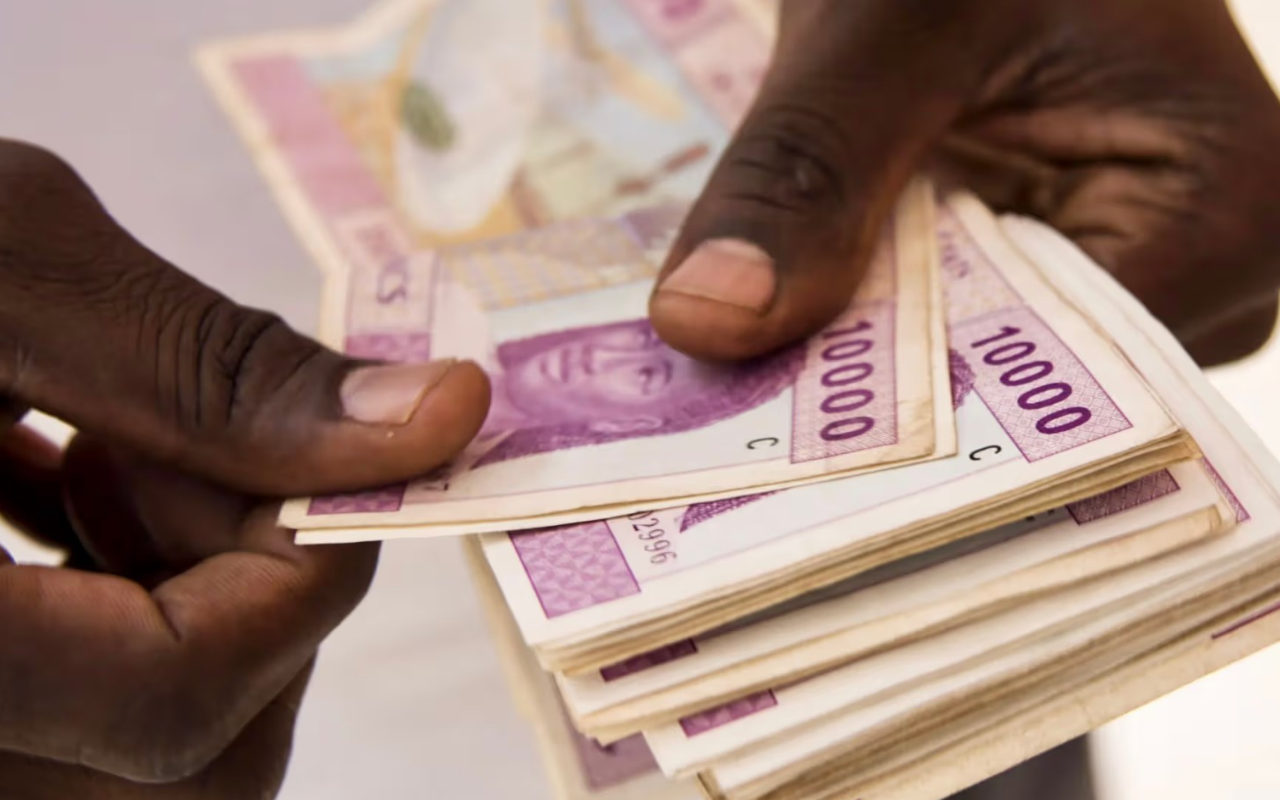
The biggest barrier to care is not awareness it is affordability. Cameroon’s health system is financed largely through out-of-pocket payments. For mental health patients, this means consultation fees, medication costs, transport to urban hospitals, and repeated follow-up visits must all be paid directly by families. There is barely any public subsidy of psychotropic drugs, and no systematic integration of mental health into insurance benefits packages. A single day’s antipsychotic regimen consumes 8.7% of the minimum wage, while antidepressants can take up to 20.4%. For families living on irregular incomes, these costs compete directly with food, rent, and school fees. As a result, care is usually delayed, interrupted, or abandoned, worsening outcomes and increasing long-term costs.
Cameroon government’s mental health initiatives and cross-country comparison
The mental health policy and plan of Cameroon was last revised in 2016, and officially acknowledged financing to be a key pillar of mental health system development, with aspirations to integrate services into primary health care and increase community-based care. These commitments remain largely rhetorical, with little financial allocation to match policy ambition. As per the WHO Mental Health Atlas 2020, mental health consumes not much more than 1% of the overall government spending on health, which means that most individuals with mental illnesses must finance a great majority of their services and psychotropic drugs out of their own money. For many households, treating depression or psychosis means choosing between medicine and school fees, between therapy sessions and food. Faced with these trade-offs, families delay care until crises emerge often in emergency rooms. Without government sponsored subsidies or systematized insurance coverage, the funding process is still skewed in the favor of a few hospital-based services at the expense of primary care and community mental health.
By contrast, Rwanda and Kenya have taken notable steps to reduce out-of-pocket spending on mental health care. Rwanda runs one of the most structured health insurance schemes in the region with its community-based scheme called Mutuelle de Santé that covers certain mental health services especially at the primary health care level. Similarly, in Kenya, mental health care has been included in the national social health insurance system, with the objectives to reduce the financial burden on individuals seeking mental healthcare.
Reasons why Private Health Insurance should be part of the solution.
Private health insurance (PHI) cannot replace public responsibility but it can expand the safety net. While PHI coverage is expanding among formal-sector employees and urban communities, mental health services remain largely excluded. This exclusion encourages stigma and favors out-of-pocket spending. Strategically regulated PHI schemes could lessen the financial burden of screening, consultations, psychotropic medicines, and follow-up care especially at the primary health care level. In addition, PHI can supplement public financing by providing low-premium, primary care-based benefit plans that cover basic mental care services, and thereby cover a wide range of populations historically locked out of formal insurance coverage.
From recognition to action
Closing Cameroon’s mental health gap requires moving beyond policy rhetoric to bold financing reforms. The inclusion of mental health in primary health care should be accompanied by:
- Integration of mental health into primary care benefit packages.
- Mandates for private insurers to cover basic mental health services.
- Public subsidies for psychotropic drugs.
- Expanded training for mental health professionals.
Without urgent action, mental illness will continue to cripple households and undermine national productivity and deepen poverty. This op-ed argues that financing reform, including the strategic role of private health insurance, is central to bridging the gap and ensuring equitable access to care.

Musa Nji
Musa Nji is an emerging Cameroonian neuropharmacologist and global health researcher whose work bridges neuroscience, pharmacology, climate and health research. Musa has built a strong academic and professional profile rooted in scientific inquiry, interdisciplinary collaboration, and community-centered research.
Constantine Asahngwa, Ph.D
Dr. Asahngwa Constantine holds a PhD in Medical Anthropology from the University of Yaounde 1, Yaounde, Cameroon. He obtained his Master’s Degree in Medical Anthropology and Bachelor’s Degree in Anthropology both from the University of Yaounde 1, Cameroon. He has served as Director for the Cameroon Center for Evidence Based Health Care for 10 years as an evidence synthesis, translation and utilization expert.

Ronald M. Gobina
Dr Ronald Gobina is a Nephrologist, working with the Regional Hospital in Buea. He is Director of the Health Policy and Research Program at the Nkafu Policy Institute and the Director of the COVID-19 taskforce for the DLF foundation. He is member of the Cameroon Society of Nephrology (CASONEPH), the International Society of Nephrology (ISN) and the Initiative to Strengthen Health Research Capacity in Africa (ISHReCA).



Leave A Comment