

By Prof. Théophile Nguimfack Voufo
Executive Summary
Long rooted in Western democratic culture, the concept of think tanks has spread, particularly across the African continent. While the very first African think tank was established in 1934 in South Africa under the name South African Institute of International Affairs (SAIIA), it was not until 1973 that the Council for the Development of Social Science Research in Africa (CODESRIA) was created, and not until the 1980s before African intellectuals began establishing numerous such organizations. However, it is clear that after nearly half a century, many African think tanks remain fragile and heavily dependent on resources from international partnerships. It is therefore important to ask why some partnerships genuinely strengthen the capacities of think tanks while others perpetuate their dependence.
Despite this challenging context, the international partnerships of think tanks on the continent can take many forms due to their impact on their operations. Indeed, we can identify opportunistic, strategic, and collaborative partnerships. These partnerships exist within both North-South and South-South relationships. In this context, we find technical donors such as the World Bank; international organizations such as the European Union or the African Union; development agencies from developed countries such as the French Development Agency (AFD); nongovernmental organizations; and multinational corporations.
Beyond their diversity, this analysis shows that international partnerships towards African think tanks contribute to strengthening their capacities: the capacity to carry out ambitious projects, to enhance their expertise on complex issues, and to secure sustainable funding. However, these international partnerships can benefit African think tanks even more if they align partners’ agendas with local priorities, adapt their analytical methodologies to local realities, and if partners provide structural and sustainable funding.
Key points
- International partnerships remain the primary source of funding and capacity building for African think tanks.
- While some partnerships have enabled the sustainable strengthening of the capacities of African think tanks, many do not yet contribute to their institutional autonomy.
- The international partnerships of African think tanks cannot have the same impact, because they are sometimes opportunistic, sometimes strategic and even collaborative, each modality having a distinct impact on the level of autonomy of the African partner.
- Although beneficial in terms of capacity building, resources and methodological tools, there is a risk that international partnerships will lead to an intellectual dependence on modes of reasoning specific to Western societies and unsuitable for the African context.
- It seems urgent to promote alternative sources of funding to reduce the financial dependence of think tanks, which will certainly help to strengthen their institutional autonomy.
Introduction
First emerging in Western democracies, think tanks have gradually spread throughout the world, including in diverse political contexts. Today, they are recognized as key players in knowledge production, public policy analysis, and governance improvement.
African countries are not on the sidelines of this global movement. To capitalize on the opportunities offered by think tanks, several African countries have opened their political and institutional spaces to organizations established on other continents and have gradually fostered the emergence of national initiatives. However, these countries have also facilitated the emergence of national think tanks established by their own citizens. These organizations focus their activities on four main pillars: economic policy, democratic governance, peace and conflict prevention, and sustainable development. According to the 2020 Global Go To Think Tank Index report, sub-Saharan Africa has nearly 700 think tanks.
Indeed, think tanks have proliferated exponentially in Africa. Analysis reveals that many African think tanks are created in the wake of other foreign organizations, either to act as their representatives on the continent or to solicit collaboration. In 2007, the African Development Bank (AfDB) and the Organisation for Economic Co-operation and Development (OECD) presented globalization as an opportunity that Africa should not miss. Given the vulnerabilities linked to its development model and its extreme dependence on the global economy, Africa should develop a genuine strategy for mobilizing external resources to achieve its emergence.
In this context, African think tanks rely heavily on international partnerships to fund their activities, enhance their capacities, and increase their influence. However, this reliance proves problematic, as even the slightest crisis affects their operational effectiveness. This dependence remains problematic because it exposes African organizations to shifting priorities among international donors. The recent cutbacks of certain development aid programs illustrate the risks associated with excessive dependance on external funding. For think tanks, such developments can affect program continuity, financial stability, and the ability to set long-term research priorities.
In this context, to what extent do international partnerships actually enhance the effectiveness of African think tanks? While acknowledging the scope and contribution of international partnerships to the effectiveness of sub-Saharan African think tanks, it is also important to highlight their limitations.

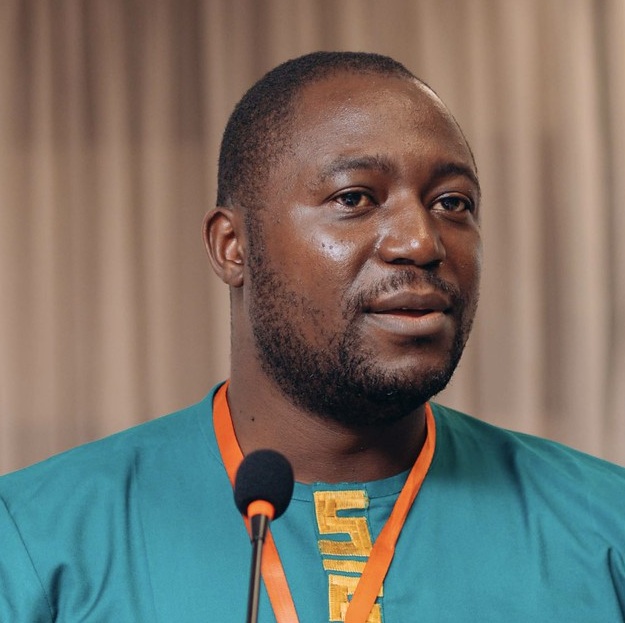
Prof. Nguimfack is a Research Fellow at the Nkafu Policy Institute and Lecturer at the Faculty of law and Political Sciences of the University of Dschang. He Holds a PhD/Ph.D in Public Law, option Public Finance.


Leave A Comment