
By Dr Pippie Hugues
Executive Summary
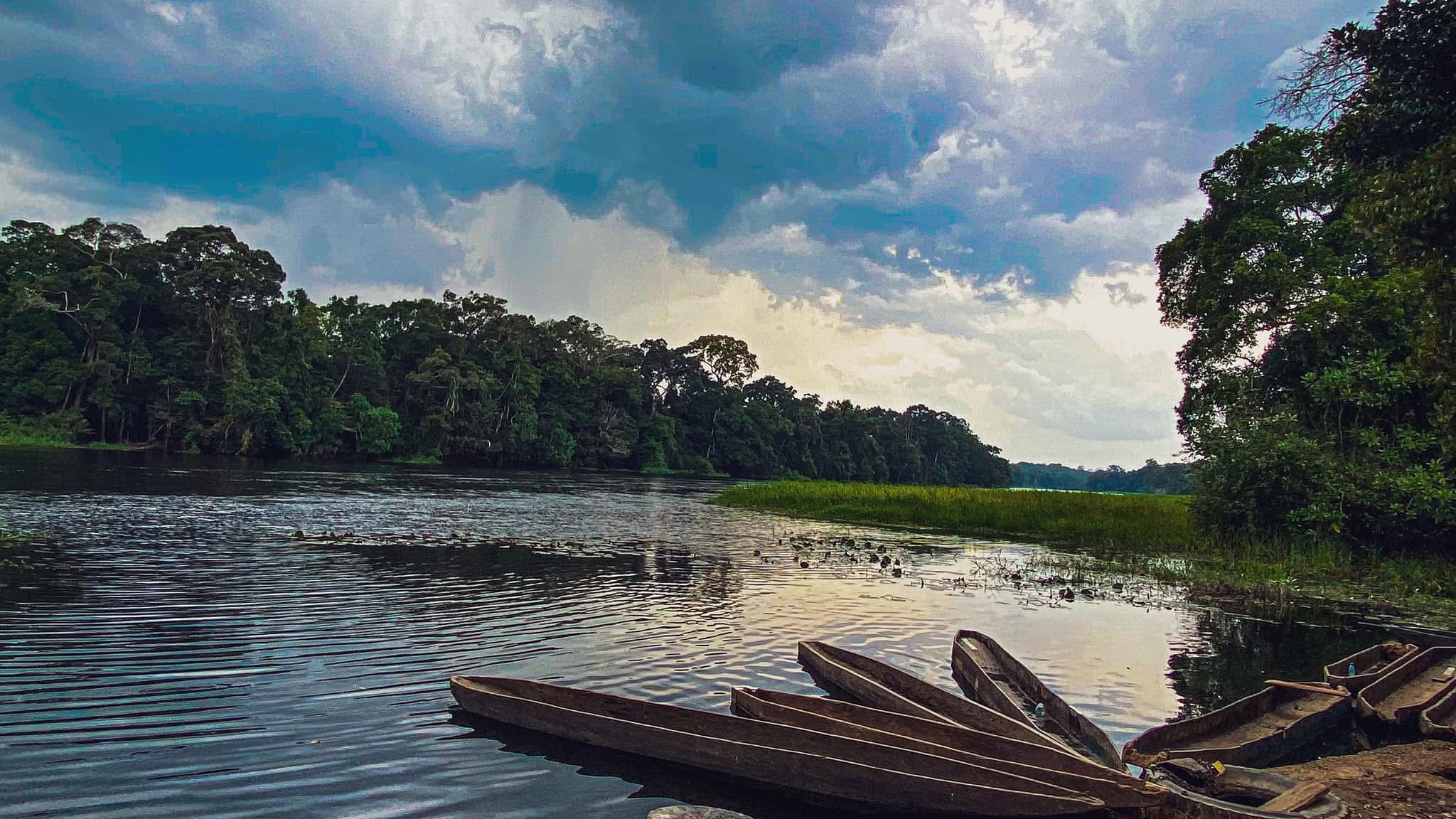
Cameroon’s rich ecosystems, characterized by vast forests (“Green”) and extensive water bodies (“Blue”), are essential for biodiversity conservation, climate regulation, and the livelihoods of local communities. However, increasing environmental degradation, driven by deforestation, pollution, and unsustainable resource exploitation, threatens these natural assets. The country loses an estimated 190,000 hectares of forest annually, significantly contributing to biodiversity loss and climate change. More than 60% of major water bodies now show declining water quality, affecting human health and agricultural productivity.
The nation’s ecosystems, including mangroves, montane forests, savannahs, and rainforests, support globally significant species such as western lowland gorillas, forest elephants, and giant pangolins. Protected areas such as Waza National Park and the Dja Faunal Reserve provide vital habitats while sustaining ecosystem services for local populations.
Ecosystem degradation undermines key services including agriculture, fishing, and access to clean water, resulting in socioeconomic challenges such as food insecurity and declining income. Contributing factors include weak enforcement of environmental laws, land-use conflicts, and limited community involvement in conservation. Strengthening environmental governance, enhancing community-based conservation initiatives, and promoting sustainable livelihoods are critical steps to safeguard Cameroon’s ecosystems and improve long-term resilience.
Key Messages
- Illegal logging in the East Region and artisanal gold mining threatens Cameroon’s forests and rivers.
- Conservation in Dja Reserve limits Baka communities’ access to forest and fishing resources, impacting livelihoods.
- Protecting Littoral mangroves must balance with supporting small-scale farming and fishing.
- Enforcing timber laws and supporting community forest management, like in the Congo Basin, boosts ecosystems and local welfare.
Introduction
Cameroon, often described as “Africa in miniature” due to its diverse ecological zones, hosts rich biodiversity and natural resources that underpin the livelihoods of millions. The phrase “No Blue No Green” highlights the intrinsic link between aquatic (blue) and terrestrial (green) ecosystems, emphasizing that the health of one directly influences the other.
Preserving Cameroon’s ecosystems is vital not only for environmental sustainability but also for ensuring the socio-economic well-being of local populations. This policy brief examines the importance of ecosystem preservation, its impacts on communities, the challenges faced, and policy actions required to strengthen environmental resilience.
Cameroon’s ecosystems span the vast Congo Basin rainforest, which stores approximately 29 gigatons of carbon, and play a critical role in stabilizing Central Africa’s climate. Yet illegal logging in the East Region, artisanal mining, and pollution threaten both biodiversity and rural economies. Declining water quality in the Sanaga River and ongoing deforestation affect food security and income generation in communities relying on fishing and forest resources. Weak policies and insufficient local participation continue to exacerbate ecosystem decline.
Objectives
- Analyze the current state of Cameroon’s ecosystems, especially the interdependence of aquatic and terrestrial environments.
- Assess the impact of ecosystem degradation on local communities’ livelihoods and well-being.
- Identify key challenges hindering effective ecosystem preservation.
- Examine policy and governance gaps and propose actionable solutions.
The Interconnectedness of Blue and Green Ecosystems
Cameroon’s terrestrial (Green) and aquatic (Blue) are deeply interconnected. Forests in the East Region play a crucial role in regulating water quality and flow. However, extensive deforestation in this area leads to increased sedimentation in rivers, which adversely affects downstream fishing communities relying on these waters for their livelihoods. In the East Region of Cameroon, several downstream fishing communities rely heavily on rivers affected by upstream deforestation and sedimentation. Notable examples of this interconnectedness include;
- Bertoua fishing communitiesalong the Lom River depend on its fish stocks for food and income, but increased sedimentation from upstream forest loss threatens fish habitats.
- Communities around the Dja River basin, where artisanal fishing is a key livelihood, face declining catches linked to sediment build-up and water quality degradation caused by upstream logging activities.
- Villages near the Sangha River, part of the greater Congo Basin system, rely on river fisheries but experience reduced fish diversity and abundance due to deforestation impacts upstream in the East Region.
Addressing these challenges requires integrated conservation, sustainable resource management, and active community engagement to preserve ecosystem services essential for local livelihoods and ecological balance.
Current State and Importance of Cameroon’s Ecosystem
Cameroon’s ecosystems form an interconnected mosaic of rainforests, savannahs, wetlands, rivers, and coastal zones. Forested watersheds regulate water quality and sustain aquatic habitats, while rivers and wetlands support soil fertility and agriculture.
Recent assessments show alarming trends:
- Deforestationdoubled between 2016 and 2023, reaching approximately 820,000 hectares.
- Cameroon hosts over 271 endemic animal speciesand more than 870 endemic plant species, many of which are threatened.
These trends contribute to habitat degradation, biodiversity Loss, and the disruption of key ecological processes, as highlighted in the national biodiversity and ecosystem services assessment (NBESA).
Preserving Cameroon’s ecosystems is crucial for maintaining biodiversity, supporting local livelihoods, and ensuring resilience against environmental changes. This preservation helps sustain ecological cycles and supports agriculture and fisheries, which are key components of food security and economic stability for many communities. Moreover, healthy ecosystems provide cultural and spiritual value for indigenous and local populations.
Impact of Ecosystem Degradation on Local Communities
Ecosystem degradation in Cameroon profoundly affects the livelihoods and well-being of local communities, with impacts varying across the different strata of the country’s diverse ecosystems:
- Forest Ecosystems:
- In the South Region, intensive logging has reduced the availability of non-timber forest products like medicinal plants and bush mango, impacting local communities’ incomes and traditional medicine practices.
- Deforestation around the Mbam and Djerem National Parks has altered soil fertility, leading farmers to experience declining crop yields and increased food insecurity.
- Forest-dependent Baka communities face restricted access to ancestral lands due to expanding protected areas, threatening their cultural identity and social cohesion.
- Savanna and Grassland Ecosystems:
- In the North Region, overgrazing and frequent bushfires have degraded pasturelands, reducing water availability for Fulani pastoralists and limiting livestock productivity.
- Soil degradation in the Adamawa Plateau undermines traditional farming and wild resource gathering, weakening community economic resilience.
- Aquatic and Wetland Ecosystems:
- Pollution and overfishing in the Sanaga River have diminished fish stocks, affecting fishing communities in Bertoua who depend on these waters for protein and income.
- Wetland degradation in the Logone Floodplain has reduced natural flood control, increasing flood risk and waterborne diseases for local populations.
- Declining water levels in the Maga Dam area strain domestic, agricultural, and livestock water use, heightening competition and conflict risks.
- Coastal and Marine Ecosystems:
- Mangrove destruction near Douala has undermined fisheries critical to coastal communities’ food security and livelihoods.
- Coastal erosion along the Atlantic coast, especially near Kribi, increases vulnerability to storms and sea-level rise, threatening homes and infrastructure.
Overall, ecosystem degradation disrupts the natural resources that underpin local economies, food systems, health, and cultural practices. It exacerbates poverty, causes migration pressures, and heightens social tensions. Addressing these challenges requires integrated conservation and development strategies that prioritize ecosystem restoration alongside community empowerment and sustainable resource management.
Challenges to Ecosystem Preservation
Ecosystem preservation in Cameroon faces challenges from deforestation, pollution, and climate change, but also from weak governance. The Ministry of Environment (MINEPDED) handles overall environmental policy, while the Ministry of Forestry and Wildlife (MINFOF) manages forests and wildlife. Overlapping roles between these ministries create confusion and enforcement gaps, allowing illegal activities to persist. Poor coordination between national and local agencies and limited involvement of local communities and indigenous knowledge further weaken conservation efforts. Improving enforcement requires clearer roles, better coordination, and stronger community participation.
Current Initiatives and Their Limitations
Government-led protected areas such as the Dja Faunal Reserve have helped safeguard biodiversity, but weak enforcement limits their effectiveness. NGO-led awareness campaigns and reforestation projects increase community engagement, yet tree survival rates vary due to limited long-term maintenance.
International partnerships bring funding and technical support for climate adaptation, but their success depends on deep integration with local and national policies. To be truly effective, initiatives must emphasize enforcement, long-term engagement, and strong community leadership.
Conclusion
Preserving Cameroon’s blue and green ecosystems is essential for environmental integrity and the livelihoods of millions. Priority actions include integrated watershed and forest management, stronger enforcement of environmental laws, and the promotion of community-led conservation. These measures are necessary to sustain biodiversity, secure natural resources, and build resilient communities in the face of ongoing climate and development pressures.
Recommendations
For Government:
- Develop and implement integrated watershed and forest management policies that address the interconnectedness of aquatic and terrestrial ecosystems, especially in regions like the East and Littoral.
- Strengthen enforcement of existing laws such as Law No. 96/12 on Environmental Management by expanding environmental fines, deploying community forest rangers, and utilizing satellite monitoring to combat illegal logging and pollution.
- Invest in sustainable infrastructure that minimizes ecological disruption, prioritizing projects that protect critical habitats like mangroves near Douala and wetlands in the Logone Floodplain.
For Local Communities:
- Promote community-based natural resource management programs that empower groups such as the Baka and Fulani pastoralists, integrating indigenous knowledge into conservation practices.
- Encourage sustainable agriculture and fishing techniques that reduce environmental impact and increase resilience to climate variability.
For NGOs and Civil Society:
- Facilitate capacity-building and targeted awareness campaigns on ecosystem services’ value, focusing on regions facing severe ecosystem degradation like the South and North.
- Support community-led reforestation projects with robust monitoring to ensure high tree survival rates and long-term maintenance.
- Advocate for policy reforms that enhance local participation and secure funding for ecosystem preservation.
For International Partners:
- Provide technical and financial support for restoration initiatives in priority areas such as the Congo Basin rainforest and coastal mangroves.
- Foster knowledge exchange on climate resilience strategies tailored to Cameroon’s unique ecosystems.
- Encourage cross-border cooperation in managing transboundary resources like the Sangha and Sanaga rivers to address shared environmental challenges.

Dr. Pippie Hugues
Dr. Pippie Hugues is a Policy Analyst at the Governance and Democracy Division of the Nkafu Policy Institute. He holds a Ph.D. in International Law with specialty in Human Rights, Conflict and Peace building.

Leave A Comment