

Publications

Xenophobic Violence in South Africa: The Limits of Diplomatic Protection for African Citizens

By |2026-09-28T14:42:24+00:00September 24th, 2026|Categories: Publications, Strategic Insight|Tags: , , |

By Prof. Théophile NGUIMFACK VOUFO Download the Strategic Insight Key points The resurgence of xenophobic attacks in South Africa in 2026 highlights the limitations of African mechanisms for protecting nationals abroad. Despite the existence [...]
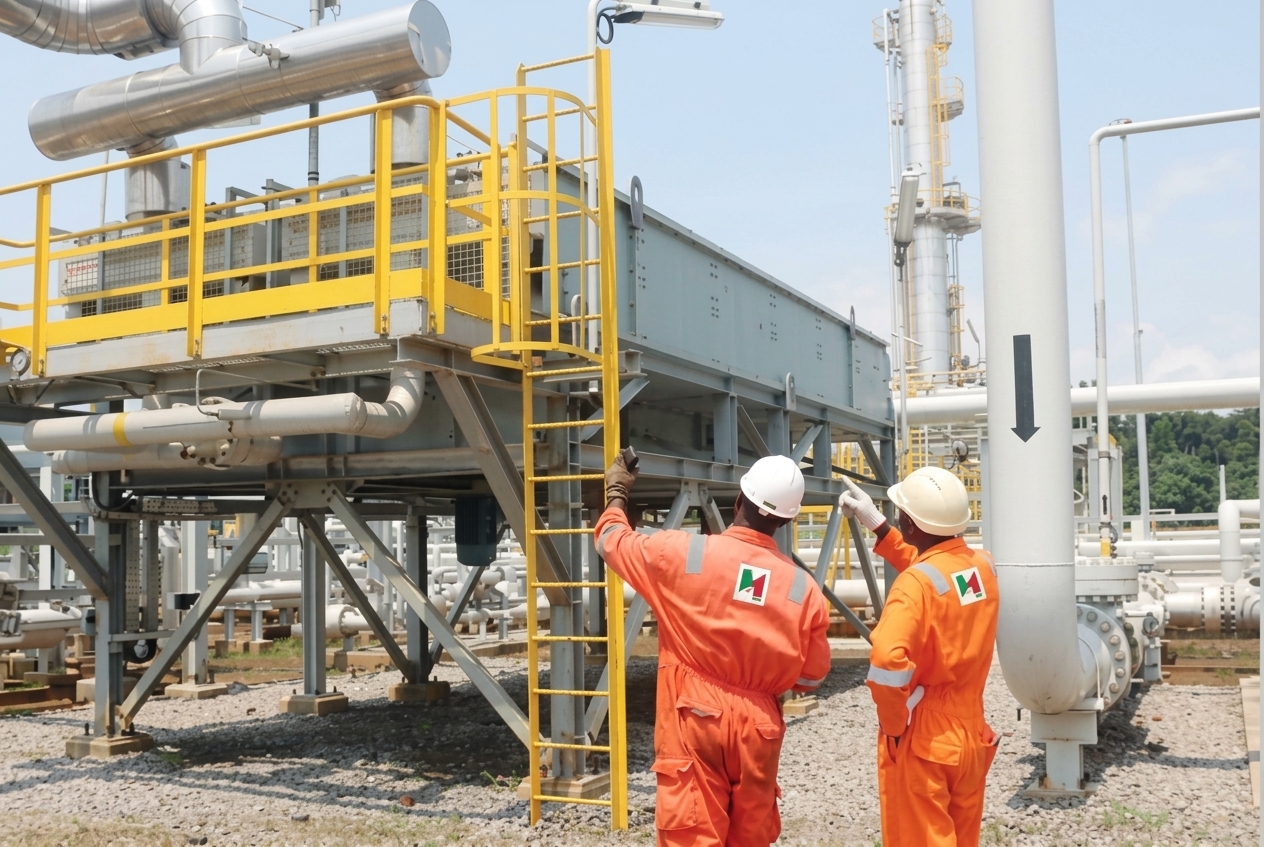
From LNG Exports to Economic Transformation: Rethinking Cameroon’s Natural Gas Strategy

By |2026-09-28T14:42:39+00:00September 24th, 2026|Categories: Economics Affairs, Publications|Tags: , , |

By Salim Ahmed Vessah Executive Summary The Hilli Episeyo floating liquefied natural gas (FLNG) facility has enabled Cameroon to commercialize offshore gas and enter international LNG markets since 2018. Developed by Société Nationale des [...]

The Locally Led Climate Fund: Three Years of Community Action for Resilience in Africa

By |2026-09-21T08:16:06+00:00September 21st, 2026|Categories: Economics Affairs, Publications|Tags: , , |

By Stéphane Nguea Mbiankeu Executive Summary Faced with the worsening climate crisis, the most vulnerable communities in Sub-Saharan Africa are suffering disproportionate impacts while having limited resources to adapt. The Locally Led Climate Fund [...]

Leaving No One Behind – Delivering Inclusive Industrialisation in Africa

By  and |2026-09-21T08:06:29+00:00September 21st, 2026|Categories: Economics Affairs, Publications|Tags: , |

By Dr. Adéline Nembot & Dr. Stéphane Mbiankeu Nguea Executive Summary While Africa has 12 of the 20 fastest-growing economies globally, the benefits of this economic expansion do not automatically reach everyone. Data from [...]

Electricity outages in Cameroon – Economic and environmental costs, and reform options

By |2026-09-18T16:39:16+00:00September 18th, 2026|Categories: Economics Affairs, Publications|Tags: |

By Stéphane Mbiankeu Nguea Executive Summary Power outages in Cameroon generate considerable economic and environmental costs. Between 2015 and 2024, they reduced GDP by an average of 3.32% per year, representing a cumulative loss [...]

Go to Top